

Travel First Aid Kit: Gastric Health Guide 2026
With up to 70% of international travellers experiencing gastric distress during a typical two-week trip, the threat of being confined to a hotel room whilst abroad is a statistical reality. You likely spend weeks meticulously planning the perfect itinerary, only to worry that a sensitive stomach or a contaminated meal might ruin the entire experience. It is common to feel confused by conflicting medical advice or concerned about the harsh side effects of traditional anti-diarrhoeals, particularly when deciding which treatments are safe for young children.
This guide will show you how to assemble a professional-grade travel first aid kit for stomach problems that focuses on clinical efficacy rather than just temporary relief. You will discover how to move beyond merely suppressing symptoms to a more sophisticated approach of physically adsorbing and removing pathogens. We provide a clear, expert-led checklist for gut health and explain the science of toxin removal, giving you the confidence to explore new cultures without the constant shadow of digestive anxiety. By the end of this article, you will understand how to protect your family with a kit that acts as a gentle, reliable protector of your internal environment.
Key Takeaways
- Learn to identify the triggers of travel-related gastric distress and distinguish between common travellers' diarrhoea and an IBS flare-up whilst abroad.
- Discover the essential items for a travel first aid kit for stomach problems that addresses bloating, pain, and toxin removal for the whole family.
- Understand the clinical difference between trapping harmful pathogens through adsorption and simply masking symptoms with traditional anti-motility medications.
- Gain expert insights on organising your medical supplies between carry-on and hold luggage to ensure rapid access to treatment during your journey.
- Explore why drug-free solutions like Enterosgel are the professional choice for protecting gut health in both adults and children from birth.
Understanding Travel-Related Digestive Distress
Travel disrupts the delicate equilibrium of your gut microbiome. When you cross borders, you expose your digestive system to new water sources, unfamiliar food preparation standards, and local microbial populations. This environmental shift often results in acute distress. Whilst many assume a "settled" stomach is a matter of luck, it's actually a matter of biology. Pathogens and toxins are the primary culprits. In fact, bacterial agents cause an estimated 80% to 90% of cases of Traveler's Diarrhea. Simply slowing down the bowel with anti-motility drugs might feel like a solution, but it often traps these harmful substances inside your body. This can prolong the duration of the infection. A more sophisticated response involves removing the irritants entirely, acting as a gentle protector for your internal environment.
Common Causes: From Food Poisoning to IBS Flares
Bacterial contamination in food or water triggers a rapid immune response, leading to the sudden onset of symptoms that can derail a holiday. However, for those with pre-existing sensitivities, travel stress and changes in sleep patterns can trigger an IBS flare-up that looks remarkably similar to an infection. Identifying the warning signs is vital for effective management. A stomach bug often presents with fever or systemic malaise. Conversely, an IBS flare is typically driven by urgency and cramping without an elevated temperature. Understanding this distinction helps you select the correct tools for your travel first aid kit for stomach problems. It ensures you aren't treating a functional issue with the wrong medication, or vice versa, allowing for a faster return to your holiday activities.
Why Standard Travel Kits Often Fall Short
Most off-the-shelf first aid kits prioritise external trauma. They are packed with plasters, bandages, and antiseptic wipes. Whilst these are necessary for scrapes, they offer no protection against internal pathogens. Generic antacids might neutralise stomach acid, but they don't address the root cause of infectious diarrhoea or toxin-led bloating. High-risk destinations require a dedicated "stomach sub-kit" that moves beyond basic relief. This specialised section of your travel first aid kit for stomach problems should focus on adsorption. By physically binding to toxins and removing them, you address the cause of the distress rather than just masking the symptoms. This professional approach ensures you aren't just "stopping" the problem, but actively clearing it from your system. It is a smarter, safer way to manage gastric health whilst away from home.
The Essential Checklist for Your Stomach First Aid Kit
A professional travel first aid kit for stomach problems must be more than a collection of random tablets. It requires a curated selection of tools designed to address the physical reality of gastric distress. You need items that work for everyone, from infants to seniors, ensuring no family member is left vulnerable whilst away from home.
Primary Relief: Intestinal Adsorbents and Anti-Diarrhoeals
The core of your kit should be a high-quality intestinal adsorbent. Enterosgel is a drug-free solution that acts like a microscopic sponge. It physically binds to toxins and pathogens in the gut and removes them naturally. This is far superior to traditional anti-motility drugs, which simply paralyse the bowel and can lead to severe constipation. Whilst anti-motility tablets have their place in true emergencies, such as a long bus journey with no facilities, they shouldn't be your first line of defence. Choosing a drug-free option means you avoid the risk of masking a serious infection or suffering from the rebound effect of sluggish digestion. For families, Enterosgel Kids 0+ is an essential addition. It provides the same professional-grade protection in a form that's safe for the youngest travellers from birth, making it a versatile choice for your travel first aid kit for stomach problems.
Hydration and Gut Maintenance Essentials
Fluid loss is the most dangerous complication of gastric upset. Oral Rehydration Salts (ORS) are non-negotiable. They contain the precise balance of glucose and electrolytes needed to ensure your body actually absorbs the water you drink. According to the CDC guidelines on traveler's diarrhea, maintaining hydration is the cornerstone of recovery. If you're heading to remote areas, include water purification tablets to ensure your source is safe. Prevention is equally vital. A hand sanitiser with at least 60% alcohol content is a powerful preventative tool. Use it before every meal to reduce the risk of transferring local pathogens from surfaces to your mouth. For those who suffer from pre-flight anxiety or motion sickness, ginger-based lozenges offer a gentle way to settle the stomach before the journey begins. These small additions ensure long-haul comfort and help maintain gut stability throughout your trip.
Adsorption vs Traditional Anti-Motility Drugs
A critical decision when building a travel first aid kit for stomach problems is choosing between masking symptoms and removing the underlying cause. Traditional anti-motility drugs work by slowing down the rhythmic contractions of the intestines. Whilst this provides temporary relief from urgency, it effectively traps pathogens and their metabolic by-products within the digestive tract. Given that bacterial agents account for 80% to 90% of cases, according to Harvard Health on traveler's diarrhea, keeping these toxins inside can lead to a more prolonged illness. A professional approach prioritises the physical removal of these irritants through adsorption.
How Adsorbents Work to Remove Toxin Triggers
Intestinal adsorbents possess a unique molecular structure that acts like a selective filter. They don't interfere with the body's natural chemistry or enter the bloodstream; instead, they remain within the gut lumen. As the adsorbent moves through the digestive system, it physically binds to toxins, viruses, and bacteria on its surface. This "trapping" mechanism is purely physical, similar to how a sponge soaks up a spill. Because the cause of the inflammation is removed, the gut lining can begin to heal naturally. This leads to faster, more sustainable relief without the risk of systemic side effects. For parents, this safety profile is invaluable. Since adsorbents aren't absorbed by the body, they are a gentle protector for children, avoiding the harsh chemical impact of traditional pharmaceuticals.
When to Use Traditional Symptom Blockers
There are specific "emergency" scenarios where stopping transit immediately is a logistical necessity. If you are facing an eight-hour flight or a remote bus journey without facilities, a traditional symptom blocker can provide a vital window of control. However, users should be aware of the common risk of rebound constipation. This occurs when the gut is slowed so significantly that it struggles to resume normal function once the medication wears off. A coordinated management plan for your travel first aid kit for stomach problems involves using adsorbents as the primary treatment to clear the infection, whilst reserving anti-motility drugs for short-term, situational use. This balanced strategy ensures you manage the immediate crisis without compromising your long-term gastric recovery or gut flora balance.
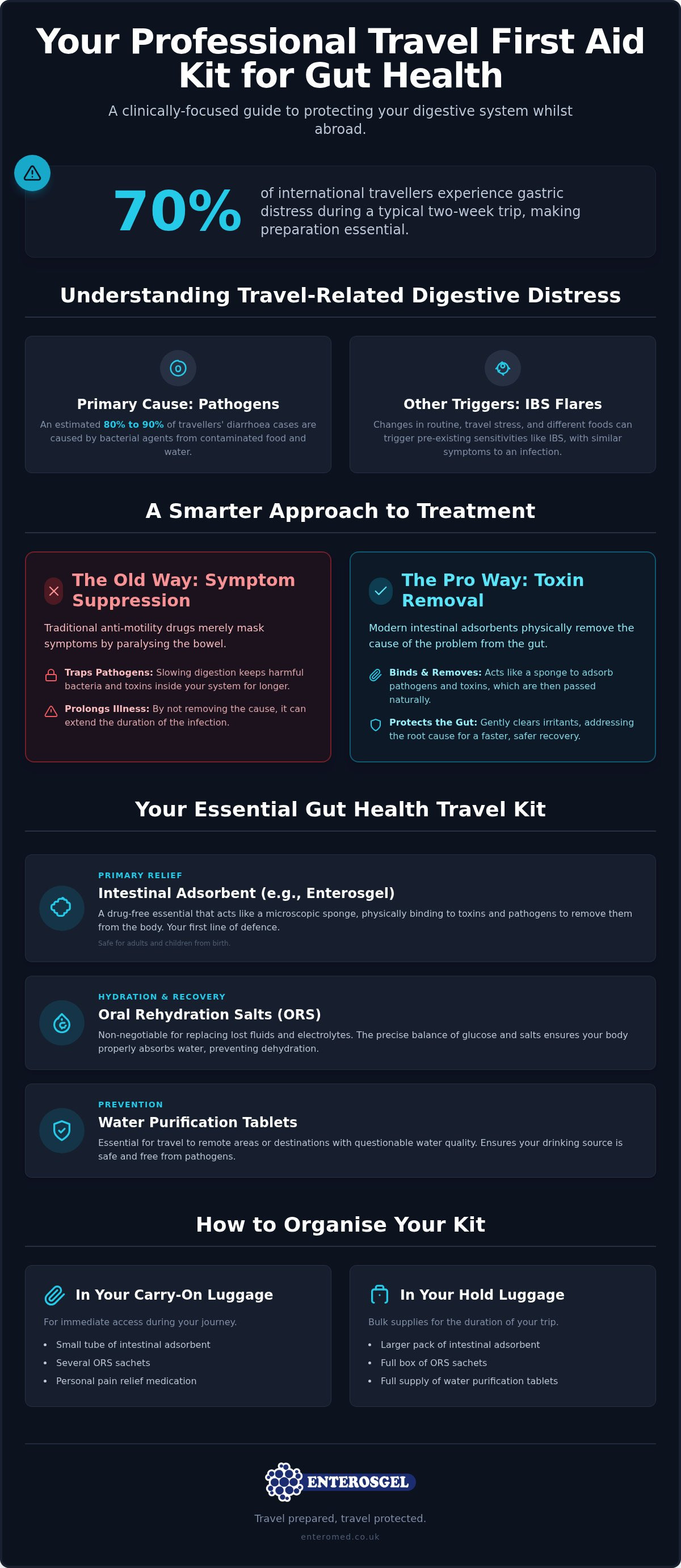
How to Organise and Use Your Travel Kit Effectively
Organising your travel first aid kit for stomach problems requires a logical approach to accessibility. You should divide your supplies into two distinct categories: immediate response and bulk storage. Items required for sudden onset symptoms belong in your carry-on luggage. This ensures you can manage an emergency mid-flight or during a long transfer without needing to access the aircraft hold. Conversely, larger items and refill supplies can stay in your main suitcase. Maintaining your kit's efficacy also depends on climate control. High humidity and extreme heat can degrade certain medications, so keep your supplies in a cool, dry part of your luggage, away from direct sunlight.
A "quick-grab" pouch is a vital tool for daily excursions. This small, waterproof container should hold enough supplies for 24 hours of treatment, allowing you to leave the bulk of your kit in the hotel safe. Always keep medications in their original packaging. This isn't just for customs compliance; it ensures you have the correct dosing instructions and expiry dates immediately to hand when you are feeling unwell. This structured approach ensures your travel first aid kit for stomach problems remains a reliable resource throughout your itinerary.
Travel-Friendly Formats: Sachets vs Tubes
For backpackers and those with limited luggage space, the format of your treatment is a significant consideration. Enterosgel sachets offer a space-saving benefit over traditional bottles or large tubes. These pre-measured doses are particularly helpful during a mid-flight emergency when you don't want to worry about measuring a precise amount in a cramped environment. Furthermore, the 15g sachets easily comply with airline liquid restrictions for cabin baggage. Whilst the 225g tube is ideal for a base-camp or family villa, the sachets provide the portability needed for active travellers. To ensure you are prepared for any journey, you can buy Enterosgel Sachets (Pack of 10) for your next trip.
Dosage and Timing for Maximum Efficacy
Timing is the most important factor in managing gastric distress. You should take your first dose at the very first sign of stomach discomfort, such as unusual bloating, cramping, or a change in bowel habits. Early intervention allows the adsorbent to begin binding pathogens before they can multiply and cause more severe inflammation. It's equally important to continue the treatment for a short period even after acute symptoms subside to ensure the gut is completely cleared of lingering toxins. Enterosgel should be taken 2 hours apart from other medications. Following this methodical dosing programme helps restore your gut to its natural balance, allowing you to return to your holiday plans with confidence.
Enterosgel: The Professional Choice for Travel Gut Health
Enterosgel represents the professional standard for a travel first aid kit for stomach problems, acting as a dedicated internal cleanser. It's a drug-free intestinal adsorbent backed by over 30 years of clinical use in gastrointestinal health. Whilst many travellers rely on drugs that simply paralyse the bowel, this solution uses a sophisticated physical mechanism of action. It acts like a microscopic sponge, selectively trapping harmful substances such as toxins and pathogens whilst leaving vital nutrients untouched. This versatility is vital for holidaymakers. It addresses the sudden onset of travellers' diarrhoea, the discomfort of bloating after unfamiliar meals, and the specific urgency of IBS flares. By removing the triggers of inflammation, it helps the gut recover its natural balance quickly and efficiently.
Why Enterosgel Sachets are a Backpacker’s Essential
Travel in challenging environments demands tools that are both durable and portable. Enterosgel sachets are an essential for backpackers because they don't require refrigeration or complex mixing. You can take the gel directly from the packet, making it an ideal first response for "Delhi Belly" or other common travel bugs encountered in areas with variable hygiene standards. The robust sachet packaging protects the gel from the rigours of transit, ensuring the product remains effective even in hot or humid climates. Having this high-performance tool in your day pack means you can explore local food markets or remote trails without the fear of being stranded by sudden gastric distress.
Safe for the Whole Family: From Infants to Seniors
Protecting vulnerable travellers is a priority for any parent or carer. Enterosgel Kids 0+ provides a unique solution because it's safe for children from birth. It's entirely drug-free and non-allergenic, which removes the worry over potential side effects or chemical interactions. This gentle protector role is equally beneficial for seniors who may already be taking multiple medications. Since the gel isn't absorbed into the body, it passes through the digestive tract and is excreted naturally along with the toxins it has captured. This clinical purity instils confidence, allowing you to focus on making memories rather than managing illness. It's a smart addition that ensures every family member has access to professional-grade care. Ensure your travel kit is complete with Enterosgel Sachets and maintain your family's well-being throughout your 2026 travels.
Securing Gut Health for Your Next Adventure
Assembling a professional-grade travel first aid kit for stomach problems is a vital step in safeguarding your holiday. You've seen that modern gastric care has moved beyond merely masking symptoms with anti-motility drugs. By focusing on the physical adsorption of toxins and pathogens, you address the root cause of distress whilst supporting your body's natural recovery. This shift towards a medical-first preparation strategy ensures that your family remains protected from the common disruptions of travellers' diarrhoea and IBS flare-ups.
Enterosgel serves as a gentle protector for travellers of all ages. It is a trusted UK medical device for IBS and gut health that is clinically proven to reduce the duration of diarrhoea. Because it's drug-free and safe for children from birth, it offers a high-performance solution without the risk of harsh side effects. Smart preparation allows you to explore new cuisines and cultures with the certainty that you have a clinical solution ready if needed.
Shop Enterosgel Travel Sachets for Your Next Trip to complete your medical kit today. Travel with confidence, knowing your internal environment is secure and your itinerary is protected.
Frequently Asked Questions
What is the most important item in a travel first aid kit for stomach problems?
The most important item is a high-quality intestinal adsorbent that physically removes pathogens from the gut. Whilst many travellers focus on rehydration or symptom blockers, an adsorbent acts as a gentle protector by binding to toxins before they cause further inflammation. This makes it a versatile foundation for any travel first aid kit for stomach problems, providing a professional-grade response to various gastric upsets encountered abroad.
Can I take Enterosgel on a plane in my hand luggage?
You can certainly carry Enterosgel on a plane within your hand luggage. The 15g sachets are well within the standard 100ml liquid restriction for cabin baggage, allowing for immediate access during your flight. This portability is essential for managing mid-flight discomfort or IBS symptoms during transit. Always keep them in their original packaging to ensure clarity during security screenings and to have the correct dosing instructions readily available.
Is Enterosgel safe for babies and toddlers whilst travelling?
Enterosgel is completely safe for babies and toddlers from birth. The Enterosgel Kids 0+ formulation is drug-free, non-allergenic, and isn't absorbed into the bloodstream, making it a secure choice for young families. It provides a gentle yet effective way to manage the sudden onset of diarrhoea or bloating without the risk of the harsh side effects often associated with traditional adult medications, ensuring your youngest travellers remain protected.
How is an intestinal adsorbent different from standard diarrhoea tablets?
An intestinal adsorbent works through a physical mechanism called adsorption, which traps toxins and removes them from the body naturally. In contrast, standard anti-motility tablets typically slow down the rhythmic contractions of the gut. Whilst tablets mask symptoms, they can trap harmful pathogens inside the digestive tract. Adsorbents focus on clearing the underlying cause of the distress, leading to a more thorough and sustainable recovery.
What should I do if I get food poisoning whilst on holiday?
If you suspect food poisoning, begin taking an intestinal adsorbent immediately to bind the bacteria and toxins. You must also prioritise hydration using Oral Rehydration Salts to replace lost electrolytes. Avoid heavy meals and rest to allow your immune system to recover. If you experience a high fever, persistent vomiting, or blood in your stool, seek professional medical advice from a local clinic or hospital immediately.
How many Enterosgel sachets should I pack for a two-week trip?
For a two-week trip, packing at least one pack of 10 Enterosgel sachets per person is a prudent strategy. This allows for a full course of treatment if an acute episode occurs, whilst remaining compact enough for your luggage. If you have a sensitive stomach or are travelling to a high-risk destination, carrying an extra pack ensures you won't run out of this essential medical tool during your journey.
Can I use Enterosgel to manage IBS symptoms during a flight?
Enterosgel is an effective choice for managing IBS symptoms such as bloating and urgency during a flight. Its physical action helps to stabilise the gut environment, which can be disrupted by travel stress and cabin pressure changes. Taking a dose before boarding or at the first sign of discomfort can provide the reassurance and stability needed for a comfortable long-haul journey, helping you arrive at your destination feeling settled.
Do I need a prescription for Enterosgel in the UK?
You don't need a prescription to purchase Enterosgel in the UK. It is classified as a medical device and is available over the counter from pharmacies and reputable online retailers. This accessibility makes it easy to include in your travel first aid kit for stomach problems before you depart, ensuring you have professional-grade protection ready for your journey without the need for a prior GP appointment.
Share this article