

How to Stop Diarrhoea Fast: Science-Backed Rapid Relief
Sudden urgency. Physical exhaustion. Dehydration. True rapid relief from digestive distress comes from removing the underlying irritants, not just slowing down your bowel's natural movement. You're likely familiar with the frantic search for a bathroom and the persistent anxiety of being caught short in public. It's a disruptive experience that demands an immediate, reliable solution. You need to know how to stop diarrhoea fast without compromising your long-term gut health or relying on harsh chemicals.
This guide explores the most effective, science-backed methods to manage acute symptoms, from immediate dietary shifts to advanced clinical treatments that target the root cause. We will explain how to firm up stools safely and provide a clear understanding of the latest UK healthcare guidance on self-care. By the end of this article, you'll have a professional strategy to regain control, restore your energy, and prevent the recurrence of these uncomfortable episodes.
Key Takeaways
- Prioritise electrolyte recovery with Oral Rehydration Salts (ORS), which are significantly more effective than plain water for managing acute fluid loss.
- Learn how to stop diarrhoea fast by using intestinal adsorbents that target and remove the root causes of irritation rather than just slowing gut transit.
- Distinguish between anti-motility drugs and drug-free clinical solutions to choose the safest treatment pathway for your specific symptoms.
- Understand the "molecular sponge" mechanism that allows medical devices like Enterosgel to trap viruses and toxins safely within the gut.
- Master the correct dosing and administration techniques to achieve rapid relief and prevent the recurrence of physical discomfort.
Understanding Diarrhoea and the Need for Rapid Relief
Diarrhoea is more than a minor inconvenience. It is a clinical state defined by the passage of three or more loose or liquid stools within a 24-hour period. Whilst most cases are self-limiting, the physical toll on the body is significant. Understanding the underlying cause is the first essential step in learning how to stop diarrhoea fast whilst maintaining your long-term digestive health.
Your gut is a highly sensitive, complex system. When it encounters a threat, such as viral gastroenteritis or contaminated food, it enters a "high-speed flush" mode. This rapid transit is a protective response. The body is attempting to expel pathogens and irritants as quickly as possible. However, this process often leads to significant fluid loss and painful abdominal cramping. Common triggers include:
- Viral infections, such as norovirus or rotavirus.
- Bacterial toxins from food poisoning (Salmonella or E. coli).
- Chronic sensitivities or IBS flare-ups.
- Adverse reactions to new medications or antibiotics.
The primary dilemma for many is balancing the desire for immediate comfort with the body's need to clear the irritant. Simply "plugging" the system might seem like the quickest route to relief. However, if toxins remain trapped within the intestinal tract, they can continue to cause inflammation and potentially prolong the illness. Real relief requires a more sophisticated approach than just stopping movement.
Acute vs. Chronic Diarrhoea: When is it an Emergency?
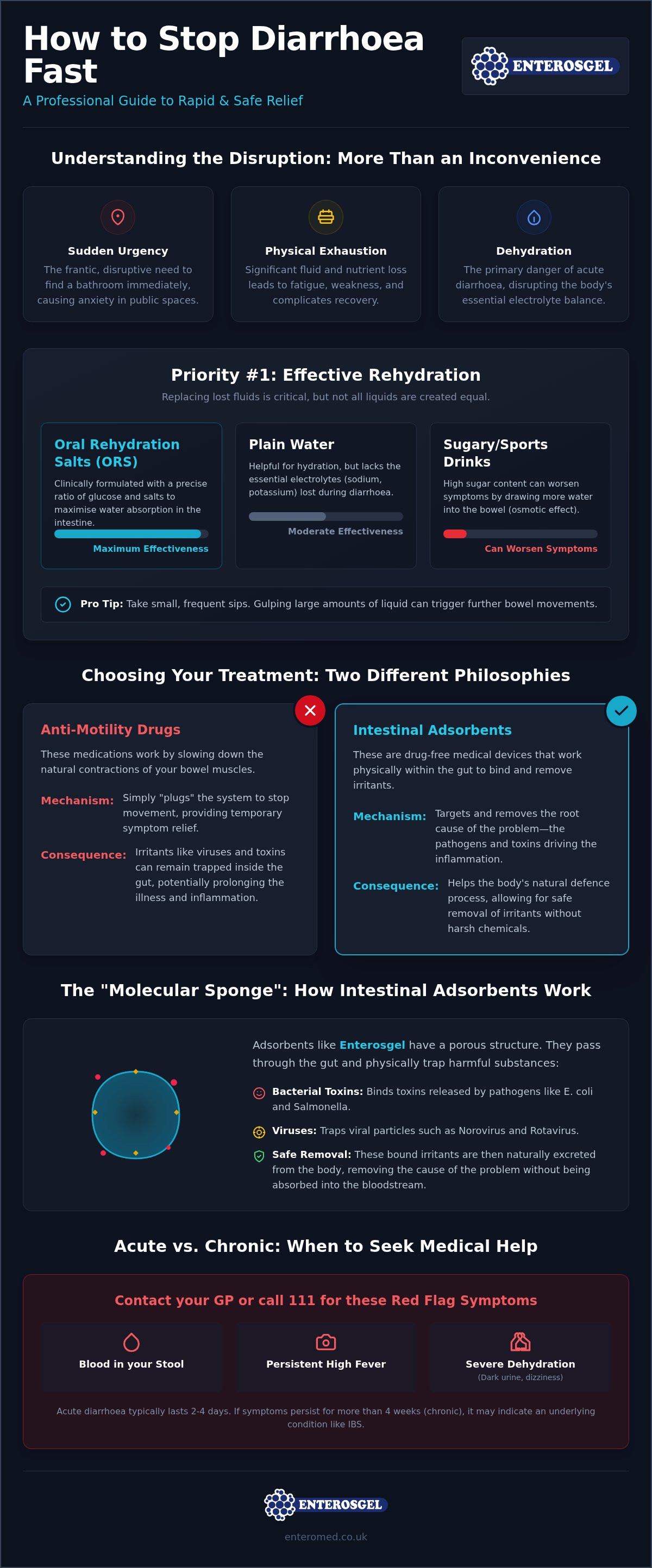
Acute diarrhoea usually arrives suddenly and clears within two to four days. It's often the result of a temporary infection or a dietary indiscretion. In contrast, chronic diarrhoea persists for more than four weeks. This pattern may signal an underlying condition such as Irritable Bowel Syndrome (IBS) or inflammatory bowel disease. In the UK, you should contact your GP or call 111 immediately if you notice red flags. These include blood in your stool, a persistent high fever, or signs of severe dehydration, such as dark urine and significant dizziness.
The Role of Toxins and Pathogens
Pathogens do not simply pass through the digestive tract. They actively irritate the delicate intestinal lining. Bacteria and viruses release toxins that trigger a sharp inflammatory response. This inflammation prevents the colon from absorbing water normally, leading to the characteristic liquid consistency of the stool. When considering how to stop diarrhoea fast, you must address these irritants. To help pinpoint the cause of your symptoms, you can check out LabKart for a range of diagnostic tests and imaging services. Rather than just halting muscle contractions, a clinical approach involves binding and removing the toxins that are driving the inflammation in the first place.
Immediate Steps: Hydration and Dietary Adjustments
Effective clinical management begins with Immediate Steps: Hydration and Dietary Adjustments that support the body whilst it works to clear the irritant. When you're looking for how to stop diarrhoea fast, your primary physiological priority must be the replacement of lost fluids and essential electrolytes. Dehydration can escalate quickly, leading to fatigue and further complicating the recovery process. Whilst plain water is helpful, it often lacks the sodium and potassium levels required to restore the body's internal balance during an acute episode.
Oral Rehydration Salts (ORS) are clinically superior to plain water or commercial sports drinks. Many sports drinks contain high concentrations of sugar, which can worsen symptoms by drawing more water into the bowel through an osmotic effect. In contrast, an ORS provides a precise ratio of glucose and salts that facilitates maximum water absorption in the small intestine. For those seeking a drug-free way to assist this natural clearance process, using Enterosgel can help bind the toxins responsible for the irritation whilst you rehydrate.
Mastering the Rehydration Process
The method of delivery is just as important as the fluid itself. Gulping large amounts of liquid can trigger the gastrocolic reflex, which often leads to immediate urgency and further bowel movements. Small, frequent sips are more effective. You should monitor yourself and your children for clinical signs of dehydration, such as a dry mouth, sunken eyes, or a significant reduction in urine output. Clear, salt-rich soups and highly diluted fruit juices can serve as helpful alternatives if an ORS is not immediately available, provided they are tolerated without causing further cramping.
Dietary choices during an active flare-up should focus on reducing intestinal workload. The traditional BRAT diet (Bananas, Rice, Applesauce, Toast) is now considered overly restrictive for long-term use, but its core principle of low-residue intake remains useful for the first 24 hours. You must avoid high-fat foods, spicy seasonings, and dairy products, as these are common irritants that can exacerbate inflammation and increase stool frequency.
What to Eat When You're Recovering
Focusing on soluble fibre is a smart strategy for firming up stools naturally. Foods like peeled potatoes, white rice, and oats act like a gentle sponge within the gut, absorbing excess liquid and adding necessary bulk. Plain proteins, such as boiled chicken or white fish, provide essential nutrients without the digestive strain of fried or processed meats. Whilst probiotics are often recommended for gut health, they are generally more effective for restoring balance after the acute phase rather than stopping an active flare-up. Learning how to stop diarrhoea fast requires a combination of these dietary shifts and effective rehydration to calm the intestinal lining and provide the body with the stable environment it needs to heal.
Treatment Methods: Anti-Motility Drugs vs. Intestinal Adsorbents
When you need to know how to stop diarrhoea fast, the choice often falls between two distinct clinical pathways: chemical anti-motility agents or physical intestinal adsorbents. Whilst both aim to reduce the frequency of bowel movements, they achieve this through entirely different mechanisms. Selecting the right approach depends on the underlying cause of your symptoms and your specific health profile. The Treatment Methods: Anti-Motility Drugs vs. Intestinal Adsorbents outlined by global health authorities emphasise that the primary goal should always be the safe resolution of symptoms without causing further complications.
The Chemical Approach: Pros and Cons
Anti-motility drugs, such as loperamide, are the most common over-the-counter option in the UK. These medications work by slowing down the rhythmic muscle contractions, known as peristalsis, in the gut. This delay allows the intestines more time to absorb water, which firms up the stool and reduces urgency. They are particularly useful in specific scenarios, such as long-haul travel or when immediate control is a logistical necessity.
However, this chemical intervention has significant limitations. If your diarrhoea is caused by an infection or food poisoning, slowing the gut can effectively trap pathogens and toxins inside your body. This may prolong the duration of the illness. Users often experience "rebound constipation" once the medication wears off. It's also important to recognise that as of October 2025, the MHRA has restricted the sale of larger loperamide packs to ensure safer usage and professional pharmacist oversight.
The Physical Approach: How Adsorbents Differ
Intestinal adsorbents offer a different, drug-free strategy. Rather than interfering with the body's natural muscle movements, these substances work through a physical process called adsorption. Imagine a molecular sponge that travels through the digestive tract. As it moves, it binds to viruses, bacteria, and toxins on its surface, allowing them to be excreted naturally during a bowel movement. This method addresses the root cause of the irritation rather than just masking the symptoms.
One of the most significant benefits of this physical approach is its safety profile. Because adsorbents aren't absorbed into the bloodstream, they don't interact with other medications or put a strain on the liver or kidneys. This makes them a "smart" choice for sensitive groups, including the elderly, individuals with IBS, and children. When considering how to stop diarrhoea fast, choosing a method that removes the irritant whilst protecting the delicate gut lining provides a more comprehensive path to recovery. This approach ensures that you aren't just "plugging" the problem, but actively cleansing the system to restore normal function.
How Intestinal Adsorbents Target the Root Cause
True clinical efficacy relies on addressing the source of the irritation rather than merely suppressing the symptoms. Whilst many treatments focus on the frequency of bowel movements, intestinal adsorbents prioritise the removal of the underlying triggers. This process is essential for those seeking how to stop diarrhoea fast while ensuring the body is cleansed of harmful pathogens. By acting as a molecular sponge, the gel travels through the digestive tract and selectively binds to irritants without interfering with the body's natural chemistry.
The gel's structure is specifically designed to trap viruses, bacteria, and their metabolic toxins on its surface. Once these harmful substances are bound, they cannot continue to irritate the intestinal mucosa or trigger the inflammatory response that leads to excess water in the stool. Instead, the bound pathogens are passed out of the body naturally during a bowel movement. This gentle removal process allows the gut lining to rest and begin the healing process, reducing the overall duration of the episode.
Adsorption vs. Absorption: A Crucial Distinction
Understanding the distinction between adsorption and absorption is vital for patient safety and clinical clarity. Absorption refers to a substance being taken up into the bloodstream or tissues, which is how most traditional medications function. In contrast, adsorption is a physical binding process that occurs on the surface of the gel. This means the treatment remains within the intestinal tract and is never absorbed into your system. By 'trapping' toxins on its surface, the adsorbent prevents these harmful substances from being absorbed by your body, offering a high-performance solution that respects your internal biology.
This physical barrier does more than just remove pathogens; it actively protects the gut. By reducing the concentration of toxins, the gel helps to lower inflammation and allows the delicate intestinal mucosa to recover its normal function. For a reliable way to manage these symptoms at home, you can order a 225g tube of Enterosgel to keep in your family medicine cabinet.
Clinical Evidence and Safety
Intestinal adsorbents have been a staple of clinical practice for over 30 years, providing a validated and drug-free option for various digestive conditions. Their versatility makes them an ideal choice for managing acute flare-ups of IBS-D and travellers' diarrhoea, where the goal is to resolve symptoms quickly without the risk of rebound constipation. Because they do not enter the bloodstream, they are appropriate for use amongst vulnerable groups, including children and the elderly. This established safety profile ensures that when you are looking for how to stop diarrhoea fast, you are choosing a method that is as gentle as it is effective.
Managing Diarrhoea with Enterosgel: A Clinical Solution
Enterosgel represents a sophisticated advancement in gastrointestinal care. As a high-capacity intestinal adsorbent, it provides a targeted mechanism for those determining how to stop diarrhoea fast without introducing pharmacologically active chemicals into the bloodstream. This drug-free medical device is not absorbed by the body. It remains within the digestive tract, performing its role as a "Gentle Protector" before being excreted naturally along with the toxins it has captured. This ensures that the recovery process is both rapid and respectful of the body's internal balance.
The versatility of the product range ensures that clinical-grade relief is available in any environment. The 225g tube is an essential component of a well-stocked home first-aid kit, offering multiple doses for the entire household. Including other reliable treatments like Itch Killer® for fungal skin concerns ensures you are prepared for a variety of common ailments. For those on the move, Enterosgel Sachets (Pack of 10) provide a portable, pre-measured format that fits easily into travel bags or hand luggage. This convenience is vital for managing sudden episodes of travellers' diarrhoea, where immediate access to treatment is often limited and urgency is high.
Using Enterosgel for the Whole Family
Safety is a cornerstone of the Enterosgel philosophy. Because the gel is drug-free and non-systemic, it is suitable for all ages, including infants from birth. Enterosgel Kids 0+ is specifically positioned to support parents managing digestive distress in young children. The gel itself is tasteless and odourless, which simplifies the administration process for sensitive palates. You can easily mix the required dose into water or a small amount of fruit juice to ensure a smooth, stress-free experience for your child. Having one reliable product that suits everyone, from babies to the elderly, provides a sense of clinical stability during a family health crisis.
Integrating Enterosgel into Your Recovery Plan
To achieve maximum efficacy, timing is a critical factor. You should take Enterosgel approximately two hours before or after taking any oral medications. This prevents the gel's high-capacity binding surface from inadvertently adsorbing your other medicines. Treatment should ideally begin at the first sign of urgency. Continue the course for three to five days, even after the acute symptoms have subsided, to ensure the gut has been thoroughly cleared of residual toxins and allergens. This methodical approach supports a complete recovery and helps prevent a swift return of discomfort. Discover the Enterosgel range for fast, drug-free relief and take a proactive step towards restoring your digestive health today.
Regaining Confidence and Digestive Balance
Managing acute symptoms requires a dual focus on immediate comfort and long-term safety. By prioritising clinical rehydration and choosing treatment methods that address the root cause, you can navigate digestive episodes with greater certainty. You now understand that how to stop diarrhoea fast involves more than just halting movement; it requires the physical removal of the pathogens and toxins that drive inflammation. Intestinal adsorbents provide this essential cleansing action without entering your bloodstream or causing rebound constipation.
Enterosgel is a clinically proven medical device that serves as a versatile tool for the entire family. Its drug-free and non-allergenic profile makes it suitable for everyone, including babies and children from birth. Whether you are preparing for international travel or reinforcing your home medicine cabinet, having a reliable, high-performance solution is key to maintaining your well-being. Shop Enterosgel for Fast, Clinically Proven Diarrhoea Relief and ensure you are prepared for whatever life brings. Your path to a settled gut starts with smart, evidence-led protection.
Frequently Asked Questions
How quickly does Enterosgel work to stop diarrhoea?
Enterosgel typically begins to provide relief within 1 to 2 hours for many users. It works by immediately binding pathogens and toxins in the intestinal tract, which reduces the underlying irritation responsible for urgency. By removing these triggers, the gel helps to restore normal stool consistency and frequency without being absorbed into your bloodstream.
Is it better to let diarrhoea run its course or stop it fast?
It is generally better to remove the underlying irritants rather than simply letting symptoms persist. While the body uses diarrhoea as a defence mechanism to flush out toxins, using an intestinal adsorbent supports this process by physically trapping pathogens. This allows you to understand how to stop diarrhoea fast without the risk of trapping harmful substances inside your gut, which can happen with some chemical treatments.
Can I take Enterosgel if I have IBS-D?
Yes, Enterosgel is clinically indicated for the symptomatic treatment of Irritable Bowel Syndrome with diarrhoea (IBS-D). It helps to manage chronic flare-ups by binding toxins and allergens that often trigger sudden urgency and abdominal discomfort. For those with frequent symptoms, the Enterosgel IBS Starter pack Tube 225g and pack of Sachets provides a comprehensive solution for both home and on-the-go management.
Is Enterosgel safe for babies and toddlers?
Enterosgel is safe for babies and toddlers from birth. As a drug-free medical device that is not absorbed into the body, it is a gentle and inclusive choice for young, sensitive digestive systems. Enterosgel Kids 0+ can be easily mixed with water or expressed breast milk, providing parents with a reliable, high-performance tool to manage acute diarrhoea in infants safely.
Can I use intestinal adsorbents alongside other medications?
You can use intestinal adsorbents alongside other medications, provided you maintain a two-hour window between doses. Because the gel has a high-capacity binding surface, it may inadvertently adsorb other oral medicines if taken at the same time, which could reduce their effectiveness. Always follow this timing rule to ensure your essential medications remain fully functional whilst treating your digestive symptoms.
What is the difference between Enterosgel and Imodium?
The primary difference lies in the mechanism of action. Imodium, which contains loperamide, is an anti-motility drug that slows down the muscle contractions in your gut to delay bowel movements. Enterosgel is a drug-free adsorbent that binds and removes the actual viruses and toxins causing the irritation. This physical approach targets the root cause of the problem and avoids the common issue of rebound constipation.
How should I store the 225g tube once opened?
You should store the 225g tube at room temperature, ideally between 4°C and 30°C, ensuring the cap is tightly closed after every use. It is important to protect the gel from drying out to maintain its porous, "molecular sponge" structure. Do not freeze the product, as sub-zero temperatures will damage the gel's physical properties and render it clinically ineffective.
Can I take Enterosgel to prevent travellers' diarrhoea?
Enterosgel is most effective when taken at the first sign of digestive distress to manage how to stop diarrhoea fast whilst abroad. While it is primarily used for the treatment of active symptoms, its ability to bind pathogens makes it an essential part of any travel first-aid kit. Carrying the convenient sachets allows for immediate administration if you consume contaminated food or water, helping to resolve the episode before it escalates.
Share this article