

Antibiotic-Related Diarrhoea: Guide for Gut Relief
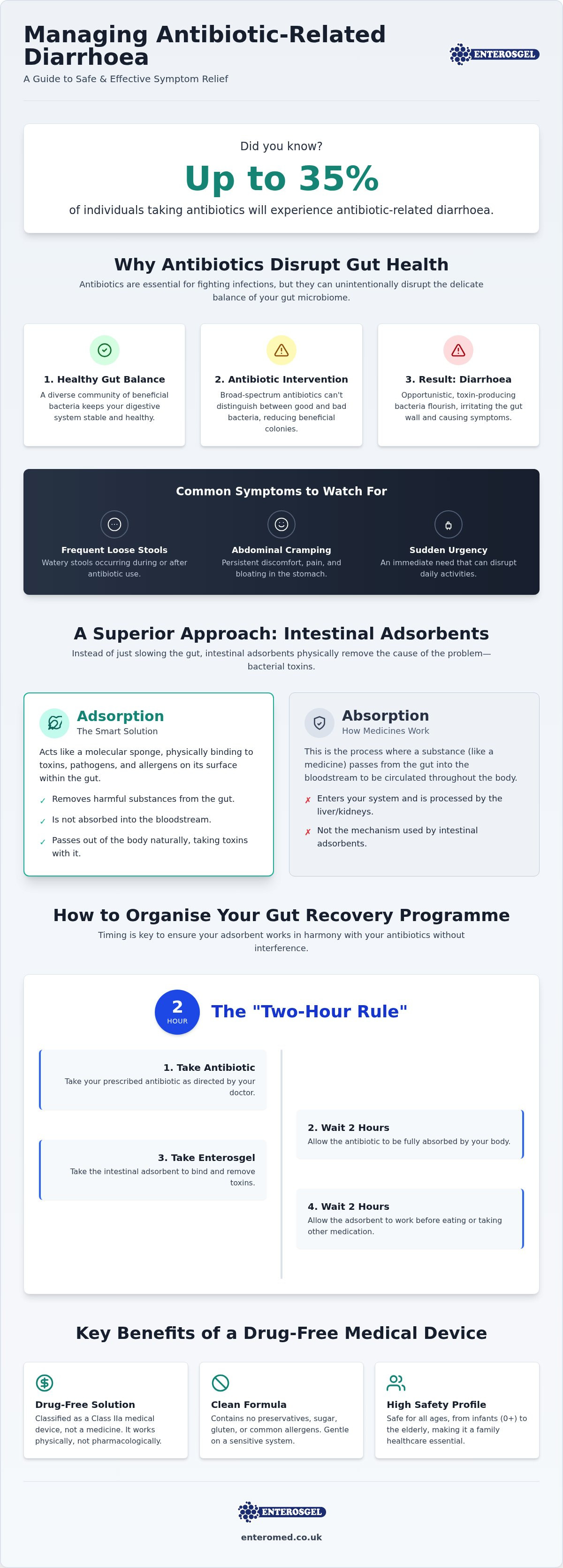
Did you know that as many as 35% of individuals taking a course of antibiotics will suffer from antibiotic-related diarrhoea? It's a sharp, uncomfortable irony; you're following medical advice to heal an infection, only to be met with the sudden urgency and physical distress of loose stools. We understand the hesitation you might feel. You want relief, but you're rightfully concerned about whether a treatment might hinder your antibiotic's performance or if you should simply wait for a probiotic to take effect.
You deserve a solution that's both high-performance and gentle on your system. This guide will help you choose the right intestinal adsorbent to manage antibiotic-related diarrhoea safely, ensuring you can continue your recovery without the constant worry of gut upset. We'll clarify the distinction between symptom relief and bacterial replenishment, explaining how drug-free medical devices physically bind to toxins to provide fast relief. Whether you're working, travelling, or caring for family, you'll discover which format provides the smart, clinical protection your gut needs.
Key Takeaways
- Learn how intestinal adsorbents physically bind to and remove harmful bacterial toxins from the gut, acting like a sponge to provide relief without being absorbed into your system.
- Understand the underlying causes of antibiotic-related diarrhoea and why targeting toxin-producing bacteria is essential for protecting your microbiome during recovery.
- Discover how to select the most convenient Enterosgel format for your lifestyle, whether you need the 225g tube for home use or portable sachets for travel.
- Master the "two-hour rule" to effectively organise your gut recovery programme, ensuring your medical device works in harmony with your prescribed antibiotics.
- Gain confidence in using a drug-free solution that is safe for all ages, including infants from birth, making it an essential companion for family healthcare.
Understanding Antibiotic-Related Diarrhoea and Gut Health
Antibiotic-related diarrhoea is a condition where antibiotics disrupt the delicate balance of gut flora, leading to loose, watery stools. This gastrointestinal disturbance is a frequent complication of treatment. Research indicates that the incidence of antibiotic-associated diarrhoea (AAD) is estimated to be between 5% and 35% in individuals taking these medications. Whilst the antibiotics are essential for clearing your primary infection, they often act as a broad brush, unintentionally impacting the beneficial microbes that keep your digestive system stable. It's vital to manage these symptoms whilst the body completes its course of medication to prevent dehydration and further irritation of the intestinal lining.
Why Antibiotics Cause Digestive Disturbance
Broad-spectrum antibiotics are designed to eliminate pathogenic bacteria. However, they cannot always distinguish between harmful invaders and the good bacteria residing amongst them. As these beneficial colonies are reduced, the gut's ecological balance shifts. This vacuum allows opportunistic, toxin-producing bacteria to flourish. When antibiotics destroy bacterial cells, they often trigger the release of endotoxins. These substances irritate the gut wall and stimulate the secretion of excess water, resulting in diarrhoea. Accessing clinically proven gut relief UK is a necessary step for those seeking to neutralise these irritants without interfering with their primary treatment.
Common Symptoms and When to Seek Advice
Identifying the onset of antibiotic-related diarrhoea early allows for more effective management. Common symptoms include:
- Frequent loose or watery stools occurring during or shortly after antibiotic use.
- Abdominal cramping and persistent bloating.
- A sudden sense of urgency that can disrupt daily activities.
Most cases are mild and resolve once the antibiotic course finishes. However, it's important to distinguish mild disturbance from more serious conditions like Clostridioides difficile (C. diff). If you experience high fever, severe pain, or blood in your stools, contact a healthcare professional immediately. Hydration is paramount. Diarrhoea causes the rapid loss of fluids and electrolytes, so maintaining a steady intake of water is essential for a safe recovery.
Why Intestinal Adsorbents are Essential for ARD Recovery
Traditional approaches to managing antibiotic-related diarrhoea often focus on slowing down the gut's movement. Whilst this provides temporary relief, it can be counterproductive when bacterial toxins are the underlying cause. If you simply "stop" the gut, those irritants remain trapped within the intestinal tract, potentially prolonging inflammation. Intestinal adsorbents offer a superior alternative by physically removing the source of the problem. They focus on clearing the gut rather than just masking the symptoms.
Adsorption vs Absorption: The Science of Trapping Toxins
It's important to understand the technical distinction between these two processes. Absorption refers to a substance being taken up into the bloodstream. In contrast, adsorption is a physical "trapping" mechanism where harmful substances bind to the surface of the gel. Enterosgel acts like a molecular sponge, selectively capturing endotoxins and pathogens whilst leaving essential nutrients and water balance intact. For a deeper look at the efficacy of this process, you can explore the clinically proven research behind the technology.
Because the gel is non-systemic, it passes through the digestive system without being absorbed into your body. It isn't processed by the liver or kidneys; it simply travels through the gut, collects toxins, and is then expelled naturally. This physical mode of action provides a high-performance solution that respects the body's natural recovery processes.
The Benefit of a Drug-Free Medical Device
Enterosgel is classified as a Class IIa medical device, not a medicine. This distinction is vital for those seeking a clean-label approach to healthcare. It contains no preservatives, sugar, or common allergens, ensuring it is gentle on an already sensitive digestive system. Its physical mechanism means it doesn't interfere with the metabolism of other medications, provided the correct timing is followed. This high safety profile makes it appropriate for vulnerable groups, including infants (Kids 0+) and the elderly. If you are currently managing symptoms at home, the Enterosgel 225g Tube provides a reliable, drug-free solution to help restore your gut's natural equilibrium.
Buying Guide: Choosing the Right Enterosgel Format
Selecting the most appropriate intestinal adsorbent depends on your lifestyle and the duration of your treatment. Managing antibiotic-related diarrhoea effectively requires a format that ensures consistency, as missing doses can delay gut recovery. The antibiotic-related diarrhoea collection provides three primary options designed for specific environments, from the family medicine cabinet to the commuter's bag.
Enterosgel 225g Tube: The Household Essential
The Enterosgel 225g Tube is the clinical standard for home use. It's particularly cost-effective for individuals prescribed a full 7-day to 14-day course of antibiotics. This format allows for precise, easy dosing and remains the most economical choice per 100g. Its long shelf life makes it a reliable staple for managing sudden digestive disturbances amongst family members of all ages.
Enterosgel Sachets: Relief on the Go
For those who must maintain a busy schedule whilst recovering, portability is key. Enterosgel Sachets come in pre-measured 15g doses that fit discreetly into a pocket or laptop bag. They require no refrigeration and are ideal for travellers or commuters who can't easily carry a full tube. If you're planning a trip, consult our travellers diarrhoea guide to see how these sachets provide essential protection away from home.
Enterosgel Kids 0+: Gentle Protection for Children
Paediatric care requires a solution that is both effective and non-invasive. Enterosgel Kids 0+ is specifically tailored for infants and toddlers experiencing post-antibiotic loose stools. Because the gel is completely tasteless and odourless, it's easy to mix with water, breast milk, or formula without causing distress to the child. It offers parents the reassurance of a drug-free, non-systemic option that supports a child's delicate microbiome during and after medication.
If you have pre-existing gut sensitivities, the Enterosgel IBS Starter pack provides a combination of both the tube and sachets, offering a comprehensive approach to stabilisation. Regardless of the format you choose, you can order Enterosgel online to ensure your gut recovery programme begins as soon as your antibiotic course starts.
How to Organise Your Gut Recovery Programme
Managing antibiotic-related diarrhoea requires a structured approach that prioritises both symptom relief and the efficacy of your primary treatment. Success depends on timing. Because intestinal adsorbents are designed to physically bind to substances in the gut, they must be used strategically to ensure they only target harmful toxins rather than your medication. A well-organised recovery programme provides the stability your digestive system needs to heal whilst you complete your prescribed course of antibiotics.
The most critical element of this programme is the "two-hour rule." You must separate your dose of Enterosgel from any other oral medications, including your antibiotics, by at least two hours. This window ensures that the adsorbent doesn't interfere with the absorption of your medicine into the bloodstream. By maintaining this gap, you allow the antibiotic to perform its systemic role whilst the gel works locally in the gut to capture and remove irritants.
Dosage and Timing for Best Results
For adults, the standard dosage is 15g, which is equivalent to one tablespoon of gel or a single portable sachet. This should be taken three times daily. Consistency is vital; taking the gel at regular intervals helps maintain a steady "clearing" action throughout the day. Always take the gel with plenty of water. This not only aids the physical movement of the adsorbent through the intestines but also supports essential rehydration during bouts of loose stools.
Don't stop the programme the moment your antibiotic course ends. It's common for toxins to persist in the digestive tract for several days after the last pill is taken. We recommend continuing with the adsorbent for a further 3 to 5 days post-antibiotic treatment. This final clearing phase helps ensure a more thorough recovery and prevents lingering discomfort.
Supporting Your Gut Long-Term
Whilst the adsorbent handles toxin removal, your diet should focus on minimising further irritation. During an active flare-up, choose gentle, easily digestible foods such as white rice, bananas, or plain toast. These are less likely to overstimulate a sensitive bowel. Once the clearing phase is complete and the diarrhoea has subsided, you can then focus on bacterial replenishment. Probiotics are often most effective when introduced after the gut has been cleared of excess toxins, providing a "clean slate" for beneficial bacteria to colonise.
Preparation is the best defence against future digestive disturbances. You can browse the full antibiotic-related diarrhoea collection to ensure you have the necessary tools ready for your next course of medication, allowing you to start your recovery programme from day one.
Take Control of Your Digestive Recovery
Managing antibiotic-related diarrhoea shouldn't mean choosing between your infection treatment and your digestive comfort. By utilising the physical mechanism of adsorption, you can actively remove the bacterial toxins responsible for urgency and distress. We've discussed how a drug-free, non-allergenic approach provides high-performance relief for the whole family. Success relies on maintaining the two-hour window between doses to ensure your medical device works in harmony with your medication.
Selecting the format that fits your daily routine ensures consistent protection, whether you're at home or travelling. Enterosgel remains a clinically proven intestinal adsorbent recommended by UK healthcare professionals for its safety and scientific rigour. It's time to support your gut's natural resilience with a specialist solution that clears the problem rather than simply masking it. You deserve a recovery that's both thorough and gentle.
Shop the Antibiotic-Related Diarrhoea Collection today and find the essential companion for your course of treatment. You can finish your medication with confidence, knowing your gut health is being safely protected.
Frequently Asked Questions
Can I take Enterosgel at the same time as my antibiotics?
No, you should not take Enterosgel at the same time as your antibiotics. To ensure your medication remains effective, you must separate the doses by at least two hours. Because Enterosgel is a high-performance intestinal adsorbent, it physically binds to substances in the gut. Taking them together could lead to the gel capturing the antibiotic before it is absorbed. Following this timing ensures both treatments work effectively.
Is Enterosgel safe for babies with antibiotic-related diarrhoea?
Yes, Enterosgel is safe for babies from birth. The Enterosgel Kids 0+ format is specifically designed for infants and young children experiencing antibiotic-related diarrhoea. Since it is a drug-free medical device that isn't absorbed into the bloodstream, it provides a gentle yet effective way to remove bacterial toxins. The gel is tasteless and odourless, making it easy to mix with breast milk or water without causing distress to your baby.
How quickly does Enterosgel start working for diarrhoea?
Enterosgel typically starts working within 1 to 2 hours of the first dose. As the gel travels through the digestive tract, it immediately begins to adsorb harmful toxins and pathogens. Most users report a significant reduction in the frequency and urgency of stools within the first 24 hours of treatment. For the best results, it's important to follow the recommended dosage of three times daily until symptoms have fully stabilised.
Does Enterosgel have any side effects whilst taking antibiotics?
Enterosgel is non-systemic and has an excellent safety profile. Because it is not absorbed into the body, it doesn't cause the typical side effects associated with systemic drugs. However, some users may experience mild constipation if they don't consume enough water whilst using the gel. Drinking plenty of fluids is essential to support the physical movement of the adsorbent through your system and to assist in the removal of trapped bacterial toxins.
Can I use Enterosgel for IBS symptoms as well as antibiotic-related diarrhoea?
Yes, Enterosgel is clinically proven to relieve symptoms of Irritable Bowel Syndrome (IBS), including bloating, abdominal pain, and urgency. Many people find that a course of medication can lead to antibiotic-related diarrhoea, which can exacerbate pre-existing gut sensitivities. The Enterosgel IBS Starter pack is particularly useful for these individuals, providing a comprehensive approach to stabilisation. Its physical mode of action helps neutralise the irritants that cause flare-ups.
Do I need a prescription for Enterosgel in the UK?
No, you don't need a prescription to purchase Enterosgel in the UK. It is available over-the-counter as a Class IIa medical device from major pharmacies and online retailers. However, it is also listed on the NHS Drug Tariff, meaning it can be prescribed by a GP if they deem it appropriate for your condition. This dual availability ensures that high-quality intestinal adsorbents remain accessible to everyone seeking reliable gut relief.
Share this article