

The Essential Guide to Traveller's Diarrhoea Prevention
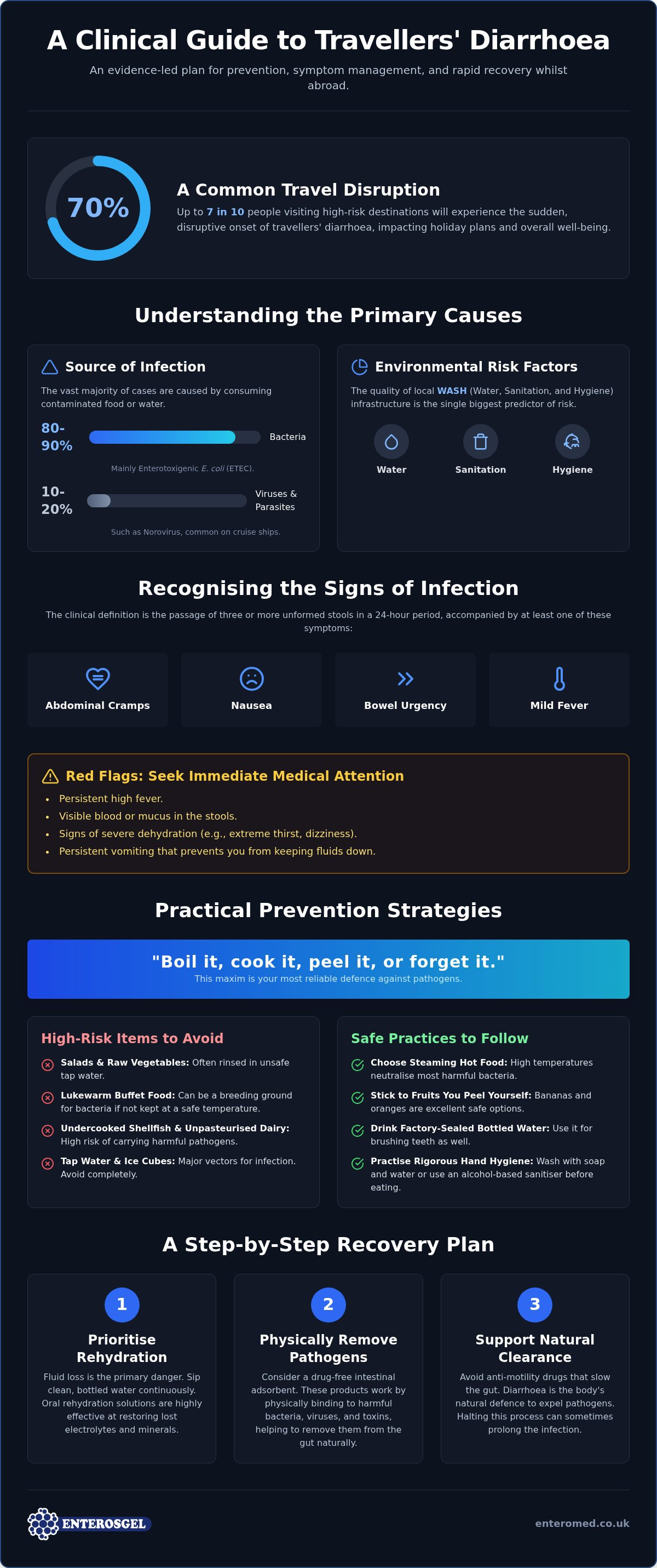
Up to 70% of people visiting high-risk destinations will experience the sudden, disruptive onset of travellers diarrhoea. It's a sobering statistic that represents far more than just physical discomfort. For many, it means the crushing disappointment of missed excursions, the embarrassment of bowel urgency in an unfamiliar city, and the confusion of which medications are actually safe for the whole family. You deserve to feel confident, prepared, and protected whilst exploring the world.
This guide offers a professional, clinical perspective on managing gut health abroad. We'll move beyond basic advice to provide a clear, evidence-led plan for prevention and recovery. You will learn how to assemble a high-performance travel kit and understand the mechanism of drug-free intestinal adsorbents that physically bind and remove toxins from your system. From food safety protocols to smart symptom management, we'll provide the tools you need to recover quickly and enjoy your holiday without the use of harsh drugs.
Key Takeaways
- Identify the clinical symptoms of travellers diarrhoea to ensure you can implement a management plan at the first sign of discomfort.
- Master practical food and water hygiene strategies, including the essential rules for safe consumption in high-risk regions.
- Compare different treatment approaches to understand why supporting the body’s natural clearance is often safer than simply slowing the gut.
- Establish a clear recovery protocol that prioritises effective rehydration and the physical removal of harmful pathogens.
- Learn how to curate a professional travel first aid kit featuring drug-free, travel-friendly solutions suitable for the whole family.
Defining Travellers’ Diarrhoea: Symptoms and Clinical Causes
Clinically, medical professionals define travellers diarrhoea as the passage of three or more unformed stools within a 24-hour period whilst abroad. It's a condition that affects between 30% and 70% of travellers, depending on the destination and season. Whilst often viewed as a minor inconvenience, it represents a significant disruption to the body's natural equilibrium. The physical experience is typically characterised by a cluster of symptoms including abdominal cramps, nausea, and a distressing sense of bowel urgency. In some cases, a mild fever may also be present as the immune system responds to the presence of foreign pathogens.
The primary driver of this condition is the quality of local "WASH" infrastructure. This acronym refers to Water, Sanitation, and Hygiene. In regions where these systems are less developed, the risk to gut health increases substantially. Bacterial pathogens are responsible for the vast majority of cases, accounting for 80% to 90% of clinical infections. Viruses, such as norovirus, and various parasites make up the remainder of the causes. Understanding these triggers is the first step in building an effective prevention strategy.
Recognising the Signs of Infection
Symptoms don't always appear immediately. Whilst the onset typically occurs during the first week of travel, it can manifest at any point from the first few days up to 10 days after you return home. Cases are generally categorised by their impact on your activity level. Mild cases don't interfere with daily plans, whereas moderate cases may require a change in your holiday itinerary. Severe cases involve total incapacitation or the presence of "red flag" symptoms. You should seek immediate medical attention if you experience:
- Persistent high fever.
- Visible blood or mucus in the stools.
- Signs of severe dehydration, such as extreme thirst, lethargy, or dizziness.
- Persistent vomiting that prevents oral rehydration.
Common Pathogens Involved
The most frequent bacterial culprit is Enterotoxigenic Escherichia coli (ETEC). This pathogen is common in areas with limited sanitation and is a primary focus for travel medicine specialists. In confined spaces like cruise ships or busy hotels, viral infections like norovirus can spread rapidly, leading to sudden outbreaks amongst guests. These pathogens produce harmful toxins that irritate the intestinal lining and disrupt normal fluid absorption. This irritation triggers the body’s defensive response, leading to the rapid transit and fluid loss characteristic of Travelers' diarrhea.
Preventing Infection: Practical Food and Water Hygiene Strategies
"Boil it, cook it, peel it, or forget it." This classic maxim is the most reliable defence against travellers diarrhoea. Heat acts as a potent disinfectant. Foods served steaming hot are generally safe because high temperatures neutralise the bacterial pathogens that cause distress. Raw vegetables and salads are high-risk items. They're frequently rinsed in local tap water, which may not meet safety standards. Stick to fruits you can peel yourself, such as bananas or oranges, to ensure the edible portion remains uncontaminated.
Whilst exploring local markets, you must be discerning about your choices. Avoid the following high-risk items:
- Salads and raw vegetables rinsed in tap water.
- Lukewarm buffet food that hasn't been kept at a safe temperature.
- Undercooked shellfish, which can concentrate environmental pathogens.
- Unpeeled fruit and raw, unpasteurised dairy products.
Hand hygiene is your final line of defence. Wash your hands thoroughly with soap and water before every meal. If facilities are unavailable, an alcohol-based sanitiser is a necessary substitute to reduce the risk of transferring microbes from surfaces to your mouth.
Water Safety and Hydration
Contaminated water is a major infection vector. Only drink bottled water with a factory seal. Avoid ice cubes, as they're typically made from tap water. You should also watch for hidden risks. Brushing your teeth or swallowing water whilst showering can introduce harmful microbes into your system. If bottled options are scarce, the CDC guidance on preventing travellers diarrhoea suggests boiling water for at least sixty seconds. Filtration systems and chemical treatments are also effective alternatives for purifying local water sources.
Adequate hydration is vital. It supports your body's natural defences and prevents the exhaustion that follows fluid loss. If you're concerned about your gut health during transit, consider packing portable travel sachets to help manage your digestive well-being on the go.
Eating Out Safely
Selecting the right dining environment is a skill. Choose busy restaurants with a high customer turnover. This usually indicates that the food is fresh and prepared to order rather than sitting in a kitchen. Street food can be safe, but only if you observe the cooking process. Ensure the vendor isn't cross-contaminating cooked food with raw ingredients or dirty surfaces. Preparing your digestive system is also a wise move. It's helpful to read our guide on how to stop diarrhoea before a long flight to build a resilient foundation for your travels.
Treatment Options: Comparing Rehydration, Anti-motility Drugs, and Adsorbents
Standard management for travellers diarrhoea often focuses on masking symptoms, but a clinical approach requires addressing the root cause whilst maintaining physiological balance. Oral Rehydration Salts (ORS) are the clinical gold standard for fluid replacement. Unlike plain water, ORS contains precise ratios of glucose and electrolytes that facilitate rapid absorption in the small intestine. This prevents the dangerous dehydration often associated with gastrointestinal distress, which water alone cannot always correct during acute episodes.
Anti-motility agents, such as Loperamide, are common in travel kits. These medications work by slowing down the muscular contractions of the intestines to reduce the frequency of bowel movements. Whilst this provides immediate relief from urgency, it can be counterproductive. By stopping the gut's movement, these drugs may inadvertently trap harmful bacteria and their toxins inside the body for longer. This delay in clearance can sometimes prolong the duration of the infection. In contrast, CDC guidelines on Traveller's Diarrhoea highlight that while these drugs are effective for symptom control, they don't treat the underlying cause.
Intestinal adsorbents offer a different mechanism. Rather than interfering with the gut's natural motility, they physically bind to pathogens and irritants. Because these adsorbents are drug-free and aren't absorbed into the bloodstream, they avoid the risk of chemical interactions. This "drug-free" advantage is a primary reason many travellers prefer treatments that work locally in the gut without affecting the rest of the body's systems.
The Science of Adsorption vs. Absorption
Adsorption is a physical process where substances adhere to the surface of a material. Think of it as a "molecular sponge" that selectively attracts and holds onto toxins, viruses, and bacteria. This is distinct from absorption, where a substance enters the bloodstream. Because the adsorbent remains within the gut and is eventually excreted naturally, it's safe for sensitive groups. This includes children from birth (0+) and individuals who are already taking multiple medications for other conditions, providing a high-performance solution without systemic side effects.
When to Use Specific Treatments
Strategic treatment involves choosing the right tool for the situation. You might use anti-motility drugs for short-term "emergency" situations, such as a long bus journey or a flight where access to facilities is limited. For ongoing recovery and toxin clearance, adsorbents provide a more thorough approach. Combining these strategies creates a comprehensive recovery plan:
- ORS: Use immediately to maintain hydration and electrolyte balance.
- Adsorbents: Use for ongoing symptom relief and to physically remove the cause of the irritation.
- Anti-motility drugs: Use sparingly only when immediate cessation of movement is required for travel logistics.
How to Manage an Upset Stomach Abroad: A Step-by-Step Recovery Plan
When travellers diarrhoea strikes, your priority is to stabilise your system and remove the cause of the irritation. You don't need to panic, but you do need a methodical response. Following a structured recovery plan ensures you manage symptoms effectively whilst minimising the risk of complications. This clinical approach focuses on supporting your body's natural clearance mechanisms rather than just masking the discomfort.
- Step 1: Rehydrate. Begin using Oral Rehydration Salts (ORS) mixed with safe, bottled water immediately. This replaces essential electrolytes lost during acute episodes, which is far more effective than drinking plain water alone.
- Step 2: Bind the pathogens. Administer an intestinal adsorbent to start binding the pathogens causing the irritation. Unlike medications that simply slow the gut, an adsorbent acts like a physical filter, trapping harmful substances so they can be safely removed from your body.
- Step 3: Rest and monitor. Allow your body the energy to fight the infection. Monitor the frequency of your bowel movements and your overall energy levels. If you feel faint or extremely lethargic, you may need more intensive rehydration.
- Step 4: Reintroduce food. Once the urgency subsides, stick to the BRAT diet: bananas, rice, apple sauce, and toast. These low-fibre, plain foods are gentle on a recovering gut and help firm up stools without causing further irritation.
- Step 5: Seek medical help. If symptoms persist beyond 48 hours, or if you notice red flags like blood in your stool or a high fever, consult a medical professional immediately.
For a reliable way to manage symptoms and support your recovery, ensure you have a proven intestinal adsorbent ready in your travel kit.
Maintaining Hydration Levels
Dehydration is the most significant risk during an infection. You must watch for clinical signs such as dark urine, a dry mouth, and persistent dizziness. If you're feeling nauseous, small and frequent sips of ORS are much more effective than trying to drink large gulps. Avoid caffeine, alcohol, and heavily sugary drinks. These substances can draw more water into the gut and worsen the severity of the diarrhoea.
Dietary Adjustments for Recovery
Your gut remains sensitive even after the worst symptoms have passed. Avoid dairy products and spicy foods until your digestion has fully returned to normal, as these can trigger further cramping. Once the acute phase is over, you might consider probiotics to help restore your natural gut flora balance. For more advice on managing sudden gastric issues, you can read our guide on Norovirus symptoms and treatment UK, which offers similar recovery tips for viral infections.
Enterosgel: The Drug-Free Intestinal Adsorbent for Travel Relief
Enterosgel provides a sophisticated, drug-free solution for managing travellers diarrhoea by addressing the root cause of the irritation. Whilst many retail products focus on suppressing symptoms, this intestinal adsorbent medical device works through a precise physical mechanism. It acts as a molecular sponge. The gel travels through the digestive tract, selectively binding to bacterial toxins, viruses, and other harmful substances on its surface. These irritants are then naturally excreted from the body, allowing the gut environment to return to its healthy equilibrium.
Because Enterosgel is not absorbed into the bloodstream, it maintains a high safety profile and does not cause systemic side effects. It’s an essential component of any travel first aid kit. This drug-free approach is particularly valuable when you're visiting regions where medical standards may differ from those at home. It supports the body’s natural healing process without interfering with gut motility, ensuring that pathogens are removed rather than trapped inside.
Packing Your Travel Gut Health Kit
Efficiency is key when preparing for a trip. We recommend a dual-format approach to ensure you're always covered. Keep the Enterosgel 225g Tube in your hotel room for morning or evening doses. For day trips and excursions, the Enterosgel Sachets (Pack of 10) are the ideal companion. These pre-measured, lightweight packets fit easily into a pocket or day bag. They provide immediate access to relief if symptoms of travellers diarrhoea arise whilst you're away from your base.
A complete "rescue pack" should combine these adsorbents with rehydration sachets. This ensures you're simultaneously removing the pathogens causing the distress whilst restoring the vital electrolytes your body needs. It’s a high-performance strategy that is safe for the entire family. Enterosgel Kids 0+ ensures that even the youngest travellers are protected, making it a versatile choice for parents who want a gentle yet effective solution.
Professional Validation and Trust
Confidence in a healthcare product comes from rigorous evidence and long-term validation. Enterosgel is a Class IIa medical device in the UK, a status that reflects its high safety and efficacy standards. It has over 30 years of clinical use in managing both acute and chronic diarrhoea episodes, providing a grounded, reliable solution for travellers globally. It contains no sugar, gluten, or preservatives, ensuring it remains a pure option for sensitive systems. Ensure your next trip is protected with Enterosgel to maintain your gut health and enjoy your travels with peace of mind.
Securing Your Health for the Journey Ahead
Professional preparation. Smart hygiene. Clinical recovery. Your holiday shouldn't be about the management of physical distress. By adhering to strict food and water protocols, you can successfully navigate high-risk regions with peace of mind. If travellers diarrhoea does occur, remember that supporting your body's natural clearance is far more effective than simply masking the symptoms. A high-performance travel kit ensures you can physically remove toxins and return to your itinerary with confidence. This evidence-based approach provides a safe, reliable safety net for every member of the family.
Prepare for your trip with Enterosgel travel sachets and benefit from clinically proven, drug-free relief in a travel-friendly format that's safe for all ages from 0+. With the right preparation and professional tools at your disposal, you can focus on the experiences that matter most. We wish you a safe and healthy journey.
Frequently Asked Questions
Is travellers’ diarrhoea contagious to others in my group?
Yes, travellers diarrhoea can be contagious amongst members of the same group. Whilst the primary source is often contaminated food or water, the pathogens can spread through the faecal-oral route. This occurs when an infected person does not wash their hands thoroughly after using the toilet, subsequently touching shared surfaces or utensils. Maintaining rigorous hand hygiene and avoiding shared towels is essential to prevent a group-wide outbreak.
Can I take Enterosgel alongside other travel medications?
You can take Enterosgel alongside most other travel medications, including oral rehydration salts. However, because Enterosgel is an intestinal adsorbent that binds substances in the gut, it may affect the absorption of other oral medicines. We recommend a gap of one to two hours between taking Enterosgel and any other medications. This ensures your other treatments have sufficient time to enter your system before the gel begins its physical binding process.
How long does it take for travellers’ diarrhoea to clear up?
Most cases of travellers diarrhoea are self-limiting and typically resolve within three to five days. During this period, the body works to expel the pathogens causing the irritation. Using an intestinal adsorbent can help support this process by physically removing toxins, which may reduce the duration of symptoms. If your condition does not show signs of improvement after 48 hours, or if symptoms become severe, you should seek professional medical advice immediately.
What is the best way to prevent diarrhoea when travelling to high-risk areas?
The most effective prevention strategy is strict adherence to food and water hygiene protocols. You should follow the "boil it, cook it, peel it, or forget it" rule at all times. Only drink bottled water with an intact seal and avoid ice cubes or raw salads that may have been rinsed in local tap water. Carrying a portable intestinal adsorbent in your day bag provides an additional layer of protection if hygiene standards are uncertain.
Is Enterosgel safe for babies and young children whilst abroad?
Enterosgel is entirely safe for babies and young children from birth (0+). Its drug-free, physical mechanism of action means it is not absorbed into the bloodstream, making it a gentle choice for sensitive young systems. For parents, Enterosgel Kids 0+ is a vital addition to a family travel kit. It helps manage sudden gastric upsets by binding harmful pathogens without the risk of systemic side effects or harsh chemical ingredients.
Should I take antibiotics as a preventative measure before I travel?
Taking antibiotics as a preventative measure is generally not recommended for most travellers. Routine use can lead to antibiotic resistance and may cause side effects like secondary infections or disrupted gut flora. Medical professionals typically reserve antibiotics for severe cases or for individuals with specific underlying health conditions. Instead, focus on preventative hygiene and carry drug-free symptomatic relief, such as intestinal adsorbents, to manage any mild to moderate issues that arise during your trip.
Can I use tap water to wash my fruit if I am in a "low risk" country?
In countries with established high-quality water infrastructure, using tap water to wash fruit is generally considered safe. However, you should always check current local health advisories before your departure. If there is any doubt regarding the water quality at your specific destination, it's safer to use bottled or treated water for washing produce. For maximum safety in any location, peeling your own fruit remains the most reliable way to avoid surface contamination.
What should I eat once the diarrhoea has stopped?
Once the acute phase has passed, you should gradually reintroduce plain, easily digestible foods. Start with the BRAT diet, which includes bananas, rice, apple sauce, and toast. These items are gentle on the intestinal lining and help to firm up your stools. Avoid dairy, spicy dishes, and high-fibre foods for at least 48 hours after your symptoms have completely stopped. This allows your gut environment sufficient time to recover its natural balance and function.
Share this article