

Stop Diarrhoea Before a Long Flight: A Clinical Guide
What if the most stressful part of your holiday wasn't the packing or the security queues, but the fear of being trapped in seat 32B with an unpredictable gut? We've all felt that rising panic when a sudden cramp strikes just as the "fasten seatbelt" sign illuminates. Diarrhoea is the most common travel-related illness, affecting between 30% and 70% of travellers depending on the destination. It is entirely natural to feel overwhelmed by the discomfort of bloating whilst worrying about the proximity of the nearest toilet. Knowing how to stop diarrhoea before a long flight is essential for anyone seeking a calm, controlled journey.
You deserve to board with confidence rather than confusion over whether to use "stopper" meds or let a bug run its course. This clinical guide explains how to manage and prevent gastrointestinal distress using drug-free, non-systemic methods that physically remove the underlying cause of the problem. We will explore how to achieve a settled gut before you even reach the departure lounge; providing a professional, evidence-led approach to ensuring your travel remains focused on the destination, not the bathroom.
Key Takeaways
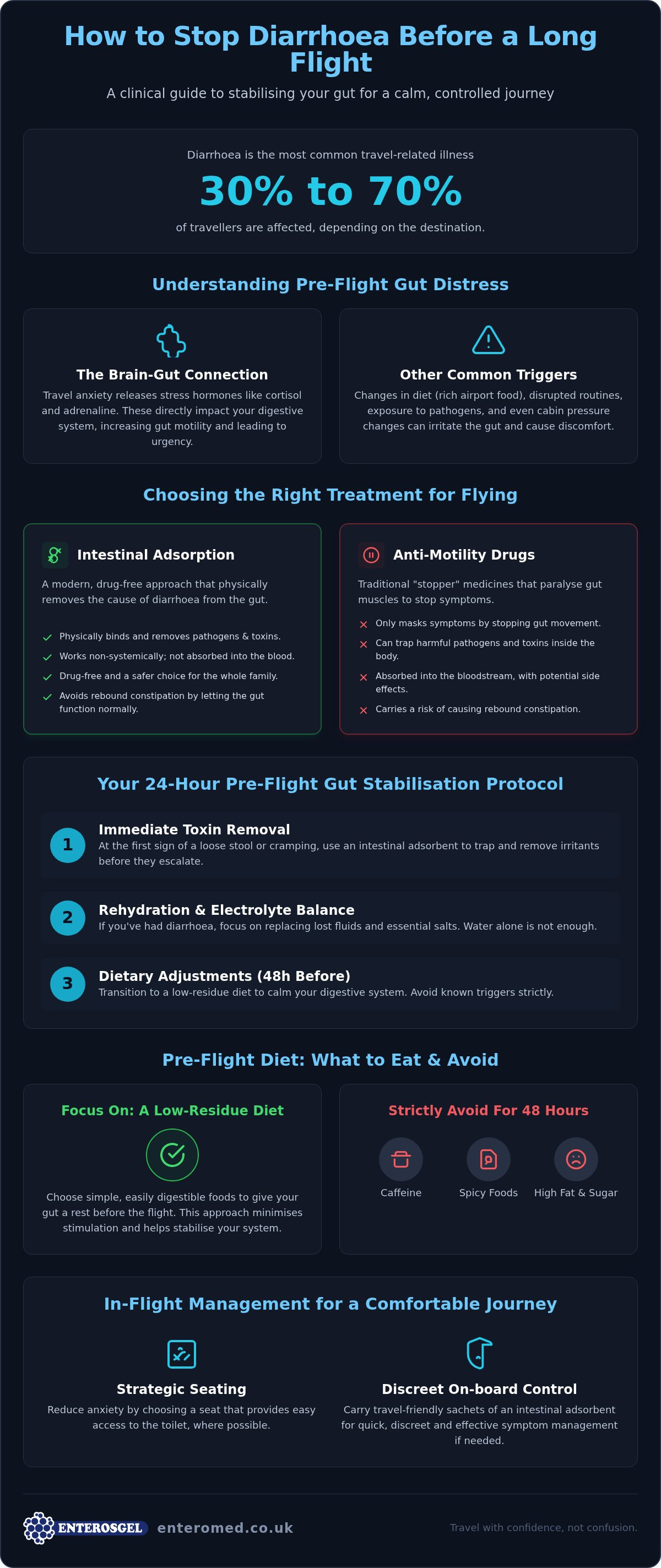
- Understand the clinical difference between paralysing gut muscles with anti-motility drugs and physically removing pathogens using intestinal adsorbents.
- Discover how to stop diarrhoea before a long flight by implementing a 24-hour stabilisation protocol focused on a low-residue diet and proper hydration.
- Identify the specific dietary triggers, including caffeine and spicy foods, that should be strictly avoided for at least 48 hours before your departure.
- Learn why drug-free, non-systemic medical devices are a safer choice for the entire family, providing effective relief without being absorbed into the bloodstream.
- Master in-flight management by choosing strategic seating and utilising travel-friendly sachets for discreet symptom control whilst in the air.
Understanding Pre-Flight Diarrhoea: Why Your Gut Reacts Before Travel
Travel preparation often focuses on logistics. Yet, for many, the physical reality of departure begins in the gut. Digestive upset frequently precedes the journey itself, creating a cycle of anxiety and urgency. This anticipatory reaction is not merely psychological; it's a physiological response to the stressors of travel. Gaining a clinical Understanding Diarrhea is the first step in learning how to stop diarrhoea before a long flight. It allows you to move from a state of panic to one of informed management.
The "Brain-Gut" connection plays a central role in pre-flight distress. When you prepare for a journey, your body may perceive the change in routine or the pressure of deadlines as a stressor, triggering a fight-or-flight response. This hormonal shift can disrupt normal digestion before you even reach the terminal. Additionally, early-onset traveller’s diarrhoea can occur if you've been exposed to a pathogen in the days leading up to your trip. Your microbiome is further challenged by the consumption of rich "airport food" and the disruption of your usual eating schedule. These meals are often high in fats or sugars, which can irritate a sensitive digestive tract. Once on board, the aeroplane cabin environment introduces pressure changes that can cause internal gases to expand. This physical expansion puts pressure on the intestinal walls, significantly exacerbating any existing gut discomfort or bloating.
The Impact of Stress on Bowel Urgency
During periods of travel anxiety, the body releases cortisol and adrenaline. These hormones act directly on the enteric nervous system, significantly increasing the speed of colonic transit. This means waste moves through the large intestine too quickly for water to be absorbed, resulting in loose stools. A "nervous tummy" is a tangible physical state where the gut is overstimulated and hyper-reactive. Addressing these symptoms before they escalate at the boarding gate is vital for a settled journey. It ensures that you remain in control of your body rather than being dictated to by bowel urgency whilst you are in a cramped cabin.
Identifying the Cause: Infection vs. Irritation
It's important to distinguish between an acute infection and functional irritation, such as IBS-related urgency. An infection involves pathogens like bacteria or viruses that actively irritate the intestinal lining, causing the body to flush the system. Irritation might also stem from food intolerances or the sudden dietary shifts common during travel. Pathogens and toxins irritate the intestinal mucosa, triggering an inflammatory response that leads to the rapid secretion of fluids. Knowing the specific cause helps you choose the most effective protocol for how to stop diarrhoea before a long flight. Whether the cause is a bug or a reaction to stress, the goal is to stabilise the gut environment early using a targeted clinical approach.
The 24-Hour Protocol: How to Stabilise Your Gut Before Boarding
Successful travel starts long before you reach the airport. Whilst many focus on passports and boarding passes, the 24 hours preceding your departure represent a critical window for clinical gut stabilisation. If you are wondering how to stop diarrhoea before a long flight, the answer lies in proactive management rather than reactive panic. This period is your opportunity to transition to a low-residue diet and establish a baseline of calm for your digestive system. Minimising last-minute packing stress is equally vital, as reducing cortisol levels helps lower gut reactivity before you encounter the pressures of the terminal.
Step 1: Immediate Toxin Removal
Intervention should begin at the first sign of a loose stool or unusual cramping. Utilising an intestinal adsorbent like Enterosgel is a strategic way to manage symptoms without interfering with the body's natural mechanics. This medical device works by physically trapping pathogens and toxins on its surface, removing them naturally via the stool. Unlike anti-motility drugs that paralyse gut muscles, this drug-free approach avoids the risk of rebound constipation. By removing the irritants early, you prevent a minor upset from escalating into a full-blown flare-up during your journey.
Step 2: Rehydration and Electrolyte Balance
Hydration is more than just drinking water. If you have already experienced bouts of diarrhoea, your body has lost essential salts that water alone cannot replace. The CDC Guide to Traveler's Diarrhea emphasises the importance of fluid replacement to maintain physiological stability. Opt for oral rehydration salts or diluted fruit juices whilst avoiding "hidden" irritants found in many sports drinks and sodas. Artificial sweeteners like sorbitol and excessive caffeine act as osmotic laxatives, which can worsen bowel urgency during the final countdown to your flight.
Step 3: Strategic Packing for Gut Peace of Mind
Confidence comes from being prepared for any eventuality in the air. Including Enterosgel sachets in your hand luggage ensures you have a professional-grade solution within reach. Sachets are superior to tubes for travel; they are discreet, pre-measured, and easily pass through airport security checkpoints without the need for additional declaration. Ensure your kit contains enough doses for the duration of the flight and the first 24 hours after you land. Having these supplies readily available reduces the psychological stress of being "stuck" without help. For comprehensive protection, consider carrying an intestinal adsorbent starter pack to manage both pre-flight nerves and destination bugs.
Adsorption vs. Anti-Motility: Choosing the Best Treatment for Flying
When investigating how to stop diarrhoea before a long flight, you'll likely encounter two primary treatment paths: anti-motility drugs and intestinal adsorbents. Anti-motility agents, such as loperamide, work by interacting with the opioid receptors in the gut to slow down muscular contractions. This effectively "paralyses" the digestive tract to stop stool passage. Whilst this offers a temporary solution to urgency, it carries a significant drawback for air travellers. By stopping the gut's natural movement, these drugs trap harmful pathogens and gas inside the body. At high altitudes, cabin pressure causes internal gases to expand; if your gut is chemically slowed, this gas remains trapped, leading to severe bloating and abdominal discomfort.
Intestinal adsorbents, such as Enterosgel, offer a different clinical approach. Rather than interfering with the body's muscular rhythm, an adsorbent uses a physical mechanism to bind to the substances causing the irritation. This process ensures that toxins and pathogens are neutralised and removed from the system naturally. Comparing recovery times, adsorbents often lead to a more stable return to normal bowel function, whereas anti-motility drugs can delay the clearance of an infection, potentially extending the duration of the illness.
Why Adsorbents are the "Smart" Choice for Travellers
The physical action of an intestinal adsorbent makes it a sophisticated choice for those in transit. Enterosgel is a non-systemic medical device, which means it's not absorbed into the bloodstream and doesn't affect the rest of the body. It passes through the digestive tract, acting only where it's needed. Removing the underlying cause of the diarrhoea is fundamentally more effective than simply masking the symptoms with chemicals. This high safety profile makes it suitable for the entire family, including infants and those with sensitive stomachs who may be prone to IBS-related flare-ups triggered by travel stress.
Avoiding the "Rebound" Effect
A common complication of using chemical "stoppers" is rebound constipation. Many travellers find that after taking anti-motility medication to survive a flight, they suffer from several days of painful constipation at their destination. This occurs because the medication has over-corrected the gut's transit speed. Adsorbents support the body's natural rhythm whilst providing relief from loose stools, ensuring a smoother transition once you land. This gentle yet effective approach is why drug-free treatments are often preferred for irritable bowel syndrome relief UK. By prioritising the physical removal of irritants, you can maintain long-term gastric health throughout your journey.
Dietary Adjustments: What to Eat (and Avoid) Before Your Flight
Whilst clinical intervention is vital, your dietary choices in the 48 hours before departure act as the foundation for a settled gut. Many travellers mistakenly believe that fasting is the best way how to stop diarrhoea before a long flight. However, fasting can lead to physical weakness and exacerbate dehydration, making you more vulnerable to the effects of cabin pressure. Instead, the goal is to consume low-residue foods that provide energy without overstimulating the bowels. Understanding how to stop diarrhoea before a long flight involves more than just treatment; it requires a strategic approach to what you consume at the airport.
Spicy foods, heavy fats, and alcohol should be strictly avoided for at least two days before flying. These substances irritate the intestinal lining and can trigger inflammatory responses that lead to urgency. Similarly, be cautious with "sugar-free" sweets or gum purchased at the airport terminal. Many contain sorbitol, an artificial sweetener that acts as an osmotic laxative, drawing water into the colon and potentially causing sudden loose stools just as you board. When the aeroplane meal arrives, stay cautious. If your stomach still feels sensitive, choose the plainest components, such as bread rolls or crackers, and avoid heavy sauces or dairy-based desserts.
The Pre-Flight "Safe" Menu
Stick to a list of simple, easily digestible carbohydrates. White rice, plain toast, and boiled potatoes are excellent choices as they are low in fibre and unlikely to cause fermentation or gas. Lean proteins, such as grilled chicken or steamed fish, are preferable to fried options, which can delay gastric emptying and cause discomfort. It's better to eat small, frequent meals throughout the day. This approach prevents the digestive system from becoming overwhelmed, which is often the case after a large "send-off" dinner. Keeping your portions controlled helps maintain a steady rhythm for your gut muscles.
Beverages to Avoid in the Departure Lounge
Coffee is a significant trigger for bowel urgency, especially amongst nervous travellers. Caffeine stimulates the contraction of intestinal muscles, which can lead to a "nervous tummy" flare-up. Alcohol is equally problematic; it irritates the gut and compounds the dehydrating effects of dry aeroplane cabin air. Opt instead for peppermint or ginger teas. These herbal infusions help to soothe the digestive tract and reduce bloating. For those with a history of travel-related gastric upset, incorporating a medical device into your routine can provide an extra layer of protection. You can purchase Enterosgel sachets to keep in your hand luggage for immediate use if dietary adjustments aren't enough to settle your system.
In-Flight Management: Staying Comfortable in the Air
Once the aircraft doors close, your focus shifts to maintaining the stability you established during the pre-departure window. Aerogastroenterology is a recognised clinical concern; as cabin pressure drops during ascent, the gas within your intestines expands. This physical expansion can trigger urgency and discomfort even if the underlying irritation is partially controlled. Choosing an aisle seat near the lavatories is a simple but effective strategy to reduce psychological pressure. Knowing you have immediate access to a facility lowers cortisol levels, which prevents the stress-induced overstimulation of the gut. This strategic positioning is a vital component of how to stop diarrhoea before a long flight from evolving into a mid-air crisis.
Using Enterosgel During the Flight
Maintaining gut stability during a long-haul journey requires consistent intervention. If symptoms persist or if you feel the onset of cramping, utilise an Enterosgel sachet. The standard dosage for adults involves one sachet taken three times a day, though this can be adjusted based on the severity of the loose stools. The gel format is particularly advantageous when dealing with limited aeroplane catering; it can be taken with a small amount of water or even directly from the sachet. This medical device works by creating a porous molecular structure that physically shields the intestinal lining. It continues to bind pathogens and toxins whilst you are in transit, ensuring that irritants are neutralised before they can trigger further bouts of urgency.
Psychological Tips for Gut Peace of Mind
The brain and gut remain in constant communication throughout your flight. You can actively influence this pathway by performing deep, diaphragmatic breathing exercises. This practice stimulates the vagus nerve, which helps to transition the body from a state of "fight or flight" into a "rest and digest" mode, effectively slowing down overactive colonic transit. There is also a significant "Safety Net" effect to consider. Simply having a proven, drug-free remedy in your pocket or seatback tray reduces the anticipatory anxiety that often fuels bowel urgency. If you feel genuinely unwell, do not hesitate to communicate discreetly with the cabin crew. They are trained to handle medical discomfort and can provide additional water or assistance with priority access to facilities if required.
Upon landing, monitor your recovery closely. Whilst most travel-related gastric upsets resolve within 24 to 48 hours, you should seek medical attention if symptoms persist beyond this window. Seek professional advice immediately if you experience a high fever, persistent vomiting, or blood in the stool. For most travellers, following a clinical adsorption protocol ensures that you can exit the aircraft feeling settled and ready to enjoy your destination. By prioritising the physical removal of toxins rather than just masking symptoms, you provide your body with the best opportunity for a rapid, stable recovery.
Secure Your Journey with Clinical Gut Protection
A settled gut is the foundation of a successful trip. By prioritising the physical removal of pathogens through adsorption rather than simply masking symptoms with chemical stoppers, you ensure your body remains in its natural rhythm. Implementing a 24-hour protocol of low-residue foods and professional-grade hydration establishes the stability required for long-haul travel. Knowing how to stop diarrhoea before a long flight empowers you to board with confidence, free from the anxiety of bowel urgency or the discomfort of trapped gas at high altitudes.
Preparation is key to maintaining control whilst in the air. Enterosgel provides clinically proven, drug-free relief that is safe for the entire family, including infants from birth. Our travel-friendly sachet packs are designed for discreet use and fit perfectly into your cabin luggage. Don't let gastric distress dictate your holiday plans. Order Enterosgel Sachets for your next trip and experience the reassurance of professional gut protection. Safe travels begin with a calm, protected system.
Frequently Asked Questions
Can I take Enterosgel on an aeroplane in my hand luggage?
Yes, you can carry Enterosgel in your cabin baggage. Current security regulations allow medically necessary liquids or gels in quantities exceeding the standard 100ml limit, provided they are declared at the security checkpoint. Enterosgel Sachets (Pack of 10) are particularly convenient for air travel as they are pre-measured and compact. Keeping them in your hand luggage ensures you have immediate access to clinical gut protection throughout your journey.
How quickly does Enterosgel work to stop diarrhoea before a flight?
Enterosgel begins working as soon as it reaches the gut by physically binding pathogens and toxins. Many users experience a reduction in urgency and frequency within 1 to 2 hours of the first dose. To understand how to stop diarrhoea before a long flight effectively, it is best to start treatment at the first sign of discomfort. This early intervention ensures the cause is removed before you arrive at the airport.
Is it better to take a "stopper" or an adsorbent before flying?
Choosing an adsorbent is generally superior for air travel. Whilst chemical "stoppers" paralyse the gut muscles to halt movement, they trap harmful pathogens and gas inside the body. This can lead to severe bloating and abdominal pain when cabin pressure changes. An adsorbent like Enterosgel physically removes the irritants whilst supporting the body’s natural rhythm. This approach provides a more stable recovery and avoids the common issue of rebound constipation.
Can I use Enterosgel for my child’s diarrhoea before we travel?
Yes, Enterosgel is safe for children of all ages, including infants from birth. The Enterosgel Kids 0+ range is specifically designed to provide gentle yet effective relief for younger travellers. Because it is a drug-free medical device that is not absorbed into the bloodstream, it has an excellent safety profile. It effectively binds the toxins causing the upset without introducing harsh chemicals into a child's sensitive and developing digestive system.
What should I do if I have a diarrhoea flare-up in the middle of a long-haul flight?
If a flare-up occurs mid-flight, take a sachet immediately with a small amount of water. Continue to sip clear fluids or oral rehydration salts to maintain electrolyte balance. Notify the cabin crew if you feel faint or if the pain becomes severe; they are trained to provide assistance and can often prioritise your access to facilities. Having a proven adsorbent in your seatback pocket provides the clinical support needed to manage the situation discreetly.
Does flight anxiety cause diarrhoea, and how can I manage it?
Flight anxiety is a common trigger for diarrhoea due to the release of stress hormones like cortisol, which speed up colonic transit. Whilst you cannot always eliminate the anxiety, you can manage the physical symptoms. Learning how to stop diarrhoea before a long flight involves using an adsorbent to settle the gut whilst practising deep breathing to calm the nervous system. This dual approach addresses both the psychological trigger and the physical urgency.
Should I fast before a long flight to avoid having to use the toilet?
Fasting is not recommended as it can lead to physical weakness and worsened dehydration during your journey. Instead of avoiding food entirely, focus on a safe list of low-residue options such as white rice, plain toast, or boiled potatoes. These simple carbohydrates provide necessary energy without overstimulating the bowels. Eating small, frequent meals helps maintain a stable digestive environment, ensuring you feel nourished and capable of handling the demands of travel.
Is Enterosgel safe to take alongside other travel medications?
Enterosgel is safe to use alongside other medications because it is non-systemic and drug-free. However, because it is an adsorbent, it could potentially bind other oral medicines if taken at the same time. To ensure full efficacy of all your treatments, it is clinically recommended to leave a gap of at least 2 hours between taking Enterosgel and any other oral medication. This allows other substances to be absorbed before the gel binds toxins.
Share this article