

IBS Bloating Treatment: A Practical Checklist for Fast Relief
Effective IBS bloating treatment requires removing the physical irritants causing gas, rather than simply attempting to relax the gut muscles. You likely recognise the sensation of a waistline that expands uncontrollably as the day progresses, leaving you physically uncomfortable and socially anxious about unpredictable flare-ups. Constant physical discomfort; abdominal distension; persistent pressure. These symptoms are more than just a nuisance; they are a significant disruption to your quality of life.
Whilst you may have tried various remedies with limited success, there is a structured, clinical approach to finding relief. We promise to help you navigate the confusion surrounding long-term safety and identify a reliable "go-to" solution for immediate comfort. This guide provides a practical checklist for managing symptoms without the need for harsh medication. We will examine how targeted intestinal adsorbents work to bind toxins and pathogens, reducing abdominal girth and preventing bloating before it starts. By understanding the underlying causes of your discomfort, you can regain control and confidence in your digestive health.
Key Takeaways
- Understand the physiological triggers of abdominal distension, specifically the role of gut microflora and gas production during the digestive process.
- Identify the most effective IBS bloating treatment by prioritising options that address the root cause rather than merely masking symptoms.
- Use a clinical checklist to evaluate treatments based on their drug-free status and their ability to physically bind irritants within the gut.
- Implement practical daily habits, such as maintaining a symptom diary and meal organisation, to prevent flare-ups and manage abdominal pressure.
- Explore the benefits of non-systemic medical devices that offer a safe, clinically proven way to reduce bloating without being absorbed into the bloodstream.
Why Does IBS Bloating Occur? Identifying the Underlying Triggers
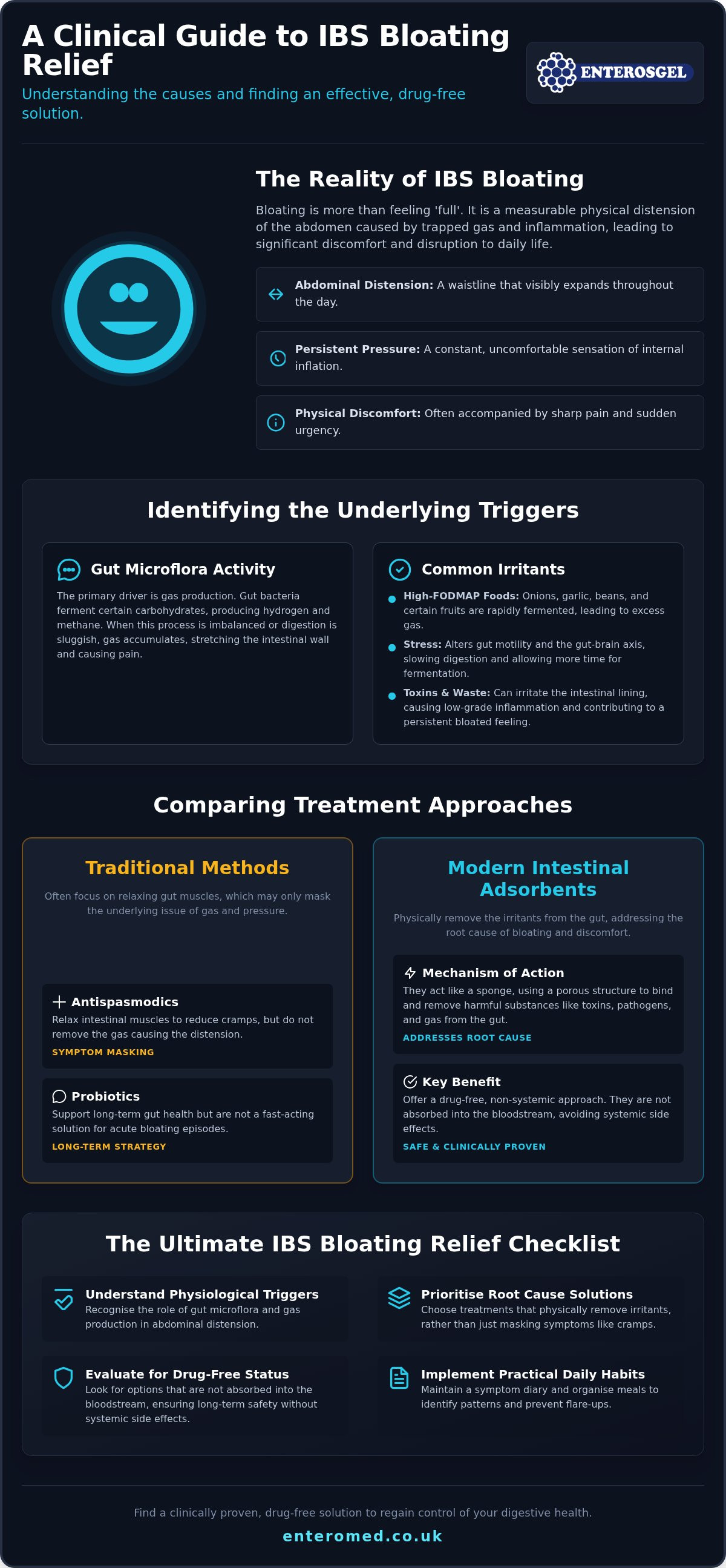
Bloating is one of the most pervasive symptoms of Irritable Bowel Syndrome, often described as a relentless sensation of internal pressure. It is not merely a feeling of being "full" after a meal. Instead, it involves measurable physical distension, where the abdominal girth visibly increases due to trapped gas or inflammation. For those seeking an effective IBS bloating treatment, understanding that this is a physiological response to gut irritation is the first step toward relief.
The primary driver of this discomfort is the activity of gut microflora. Whilst these bacteria are essential for health, they produce gases like hydrogen and methane as byproducts when they ferment certain carbohydrates. If the digestive system is sluggish or the bacterial balance is disrupted, these gases accumulate. This build-up acts like a balloon inflating within the intestinal tract, stretching the gut wall and triggering signals of intense discomfort. For many, this pressure is not an isolated symptom; it is frequently accompanied by sharp abdominal pain and sudden IBS urgency.
Beyond gas volume, the presence of toxins and metabolic waste can irritate the delicate intestinal lining. This irritation sometimes leads to increased permeability, often referred to as "leaky gut," which allows harmful substances to trigger low-grade inflammation. This inflammatory response manifests as a heavy, uncomfortable bloat that feels persistent rather than transient. Identifying these underlying triggers is essential for moving beyond temporary fixes to long-term management.
Common Triggers for Bloating and Cramps
Dietary choices are often the most immediate triggers. High-FODMAP foods, such as onions, garlic, and beans, contain short-chain carbohydrates that the small intestine struggles to absorb. These molecules travel to the colon, where bacteria ferment them rapidly, leading to significant gas production. Physical and emotional stress also plays a critical role by altering gut motility. When the gut-brain axis is disrupted, the movement of waste slows down, providing more time for fermentation and the accumulation of harmful pathogens in the digestive tract.
The Difference Between Gas and Inflammation
It is vital to distinguish between the volume of gas and the sensitivity of the gut. Whilst excess gas is a physical byproduct of digestion, the "feeling" of being bloated is often exacerbated by visceral hypersensitivity. In many cases, a person with IBS may not have significantly more gas than someone without the condition, but their nerves are more reactive to the pressure. Achieving irritable bowel syndrome relief UK wide involves a dual approach: reducing the production of gas whilst simultaneously removing the irritants that cause the gut lining to become hypersensitive and inflamed.
IBS Bloating Treatment: Comparing Traditional and Modern Approaches
Standard medical approaches to managing gut health have historically relied on pharmaceutical intervention. These traditional IBS Treatments typically involve antispasmodics, which work by relaxing the smooth muscles of the intestinal wall. Whilst effective at reducing the intensity of cramps, these medications don't address the underlying volume of trapped gas. Consequently, the physical distension remains, even if the sharp pain is temporarily dulled. This "masking" effect often leaves patients searching for a more comprehensive IBS bloating treatment that provides actual relief from pressure.
Probiotics are frequently recommended to improve long-term gut flora balance. Whilst they offer significant benefits for overall digestive health, they are rarely a fast-acting solution for acute bloating. It often takes several weeks for new bacterial colonies to establish themselves and influence the fermentation process. For many, a drug-free approach is preferred for long-term management to avoid the systemic side effects or dependencies associated with long-term pharmaceutical use. Modern intestinal adsorbents offer a different path by physically interacting with the gut environment rather than altering body chemistry.
Antispasmodics vs. Adsorbents
The fundamental difference between these two approaches lies in their mechanism of action. Antispasmodics target the nervous system or muscle tissue to stop the sensation of pain, essentially ignoring the irritants still present in the gut. In contrast, intestinal adsorbents like Enterosgel work physically. They act as a selective porous structure that binds toxins, pathogens, and immune chemicals causing the gas, carrying them through the digestive tract to be expelled. This "removing" philosophy ensures the irritants aren't left behind to cause further inflammation. Choosing a clinically proven adsorbent allows for a safer, non-systemic way to manage flare-ups without the risk of drug interactions.
Dietary Changes as a Foundation
Dietary modification, particularly the Low FODMAP diet, remains a cornerstone of IBS management. By restricting fermentable carbohydrates, patients can significantly reduce the raw material available for gas-producing bacteria. However, this level of restriction is notoriously difficult to maintain and can lead to nutritional gaps if followed indefinitely. Using a physical treatment to support dietary transitions provides a safety net during the reintroduction phase, helping to manage symptoms when trigger foods are accidentally consumed or when eating out becomes a social necessity.
The Ultimate IBS Bloating Relief Checklist
Selecting an IBS bloating treatment shouldn't be a matter of guesswork. When physical distension occurs, you need a solution that is both effective and safe for repeated use. This checklist provides a structured framework for evaluating your options, ensuring you move beyond temporary fixes toward a reliable management strategy. Use these five criteria to screen any potential remedy before incorporating it into your routine.
- Is it drug-free? Prioritising non-pharmacological options reduces the risk of systemic side effects and potential drug interactions.
- Does it address the root cause? Ensure the treatment physically removes toxins and gas-producing irritants rather than simply numbing the gut's nerve endings.
- Is it fast-acting? You need a solution that provides comfort during an acute flare-up or before a significant social event.
- Is it clinically proven? Look for evidence-based medical devices that have undergone rigorous testing rather than unverified "trendy" cleanses.
- Is it easy to use whilst travelling? Practicality is essential; consider whether the treatment is available in portable tubes or discreet sachets for on-the-go relief.
Authoritative research on IBS symptoms and treatment highlights that while many options exist, safety and validation remain the primary pillars of successful long-term care. By applying this checklist, you can filter out products that may cause more harm than good.
Step 1: Evaluate Safety and Side Effects
The first priority is to determine how the treatment interacts with your body. Many traditional medications are systemic, meaning they are absorbed into the bloodstream and processed by the liver or kidneys. For long-term management, a non-systemic approach is often superior. Check if the treatment stays within the gut lumen to perform its function before being naturally expelled. You should also look for options that are non-allergenic and free from harsh preservatives, as these additives can sometimes trigger the very sensitivity you are trying to soothe.
Step 2: Assess Clinical Validation
It's important to differentiate between general "supplements" and certified "medical devices." Supplements are often loosely regulated and may lack the robust data required to prove efficacy for specific conditions. In contrast, a certified medical device must meet stringent safety and performance standards. UK clinical trials are considered a gold standard for trust, providing the scientific rigor necessary to ensure the IBS bloating treatment you choose is both safe and effective for the everyday consumer.
Managing IBS Bloating and Cramps: Practical Daily Steps
Daily management is the foundation of long-term comfort. Keeping a meticulous food and symptom diary is a professional-grade tool for identifying your personal favourite triggers. By documenting what you eat alongside your physical reactions, you can spot patterns that might otherwise remain hidden. Organise your meals to avoid large portions; small, frequent feedings prevent the digestive system from becoming overwhelmed and reduce the likelihood of sudden distension.
Physical activity acts as a mechanical aid for gas transit. Gentle movement, such as a brisk walk or specific yoga poses, helps move trapped gas through the system. This reduces the time irritants spend in contact with the gut wall. For immediate intervention, using a targeted IBS bloating treatment at the first sign of discomfort can prevent a minor sensation from escalating into a full-scale flare-up. Proactive management ensures that you are not simply reacting to symptoms but actively preventing them.
Hydration and Fibre Balance
Stress Management for the Gut
The gut-brain axis represents a physical link between your emotional state and your digestive function. Anxiety can trigger the release of hormones that alter gut motility, physically manifesting as abdominal distension and pressure. To settle the nervous system during a flare-up, employ quick diaphragmatic breathing techniques. This signals to the body that it is safe, slowing down the "fight or flight" response that often exacerbates gut sensitivity. To support your daily management routine, explore the range of clinically proven intestinal adsorbents designed for rapid relief and long-term safety.
Enterosgel: A Clinically Proven, Drug-Free Solution for Bloating
Enterosgel represents a sophisticated shift in how we approach IBS bloating treatment. Unlike traditional medications that target systemic processes, this intestinal adsorbent acts purely within the gut lumen. It is classified as a medical device, meaning it isn't absorbed into the body and doesn't interfere with metabolic functions. This non-systemic nature makes it an ideal choice for those who are cautious about the long-term use of pharmaceutical drugs or are concerned about potential side effects.
To understand its efficacy, think of it as a molecular sponge. As it travels through the digestive tract, it selectively binds harmful substances, pathogens, inflammatory chemicals within its porous structure. These irritants are then naturally expelled from the body rather than being left to cause further inflammation. The product is available in a versatile 225g tube for consistent use at home and in discreet sachets for those who require relief whilst travelling or working.
Why Enterosgel Fits the Checklist
Recalling our earlier criteria for an effective treatment, Enterosgel meets every requirement for safety and performance. It is completely drug-free and non-allergenic, containing no preservatives, additives or sugar. This high safety profile ensures it's appropriate for all ages, including infants from birth (0+). Beyond safety, it offers fast-acting relief for the core symptoms of IBS, including bloating, diarrhoea, and abdominal pain. With over 30 years of clinical use and validation, its status as a reliable specialist tool is well-established amongst healthcare professionals.
The IBS Starter Kit
For those beginning their journey toward better gut health, the IBS Starter Kit is an excellent entry point. This pack combines the 225g tube with a pack of sachets, ensuring you have 24/7 protection whether you're at home or on the move. This combination allows for a consistent dosing schedule that's vital for managing chronic symptoms and preventing unpredictable flare-ups. Enterosgel is a high-performance intestinal adsorbent for toxin removal. By physically clearing the gut of the irritants that cause gas and inflammation, it provides a stable foundation for long-term digestive well-being.
Regaining Control of Your Digestive Comfort
Managing abdominal distension requires a transition from simply masking symptoms to addressing their underlying causes. By utilising a clinical checklist, you can identify an IBS bloating treatment that prioritises safety and physical efficacy over temporary relief. We've explored the importance of removing toxins and inflammatory chemicals from the gut lumen using non-systemic medical devices that don't enter the bloodstream. This approach, combined with mindful meal organisation and symptom tracking, creates a stable environment for long-term gut health.
Enterosgel offers a solution that's clinically proven for IBS relief and has been trusted for over 30 years. As a drug-free medical device, it provides the reliable protection needed for both acute flare-ups and daily maintenance. You don't have to navigate these unpredictable symptoms alone. To begin your journey toward a more comfortable, confident lifestyle, Shop the IBS Starter Kit for Clinically Proven Bloating Relief. You deserve a reliable strategy that lets you focus on your day rather than your discomfort.
Frequently Asked Questions
Is Enterosgel safe to use for long-term IBS bloating treatment?
Enterosgel is entirely safe for long-term use because it is a non-systemic medical device. Unlike pharmaceutical drugs, it isn't absorbed into the bloodstream or processed by the liver. It remains within the intestinal tract to perform its function before being naturally expelled. This high safety profile is backed by over 30 years of clinical application, making it a reliable choice for the ongoing management of chronic symptoms.
How quickly can I expect relief from bloating after taking Enterosgel?
Many users experience significant relief from abdominal pressure within a few hours of the first dose. As the gel travels through the digestive system, it begins the physical process of binding harmful irritants immediately. For acute flare-ups, the speed of relief depends on your individual gut motility, but it is designed as a fast-acting IBS bloating treatment to restore comfort during periods of intense distension.
Can I take Enterosgel alongside my other IBS medications?
You can take Enterosgel alongside other medications, provided you maintain a specific time interval. Because it is a high-performance adsorbent, it may bind other oral medicines if taken at the same time, potentially reducing their efficacy. To ensure safety and performance, always leave a gap of at least two hours between taking Enterosgel and any other pharmaceutical treatments or nutritional supplements.
What is the difference between adsorption and absorption in gut health?
Adsorption is a physical process where harmful substances, such as toxins and gases, adhere to the surface of the gel particles. In contrast, absorption refers to a substance being taken into the body's tissues or bloodstream. Enterosgel uses adsorption to trap irritants within its porous structure, ensuring they are carried out of the body rather than being absorbed into your system and causing systemic side effects.
Does Enterosgel treat the cause of bloating or just the symptoms?
Enterosgel addresses the underlying cause of bloating by physically removing the irritants that trigger the condition. Whilst many treatments only numb the gut or relax the muscles to mask discomfort, this adsorbent binds the specific toxins, pathogens, and inflammatory molecules responsible for inflammation and pressure. By clearing these substances from the intestinal environment, it reduces the physiological triggers that lead to persistent abdominal distension and pain.
Is Enterosgel suitable for children with IBS symptoms?
Yes, Enterosgel is suitable for children and is available as Enterosgel Kids 0+, which is safe for infants from birth. Its drug-free, non-allergenic formula contains no preservatives, flavours, or sugar, making it an appropriate solution for vulnerable groups. It provides a gentle yet effective way to manage paediatric digestive distress without the risks associated with systemic medications or harsh chemical ingredients.
How should I take Enterosgel for the best results against bloating?
For optimal results, you should dilute the gel according to the instructions in a glass of water or another liquid at room temperature. It is best taken 1 to 2 hours before or after a meal to ensure the gel can move freely through the gut and bind irritants effectively. Consistent dosing during a flare-up helps maintain a stable intestinal environment, providing a more reliable IBS bloating treatment than intermittent or irregular use.
Can Enterosgel help with IBS urgency and diarrhoea as well as bloat?
Enterosgel is clinically proven to relieve a broad spectrum of IBS symptoms, including urgency and diarrhoea. By binding the pathogens and metabolic waste that irritate the bowel wall, it helps firm up stools and reduces the frequency of bowel movements. This multi-symptom approach ensures that you aren't just treating the bloat, but also managing the associated distress of sudden urgency and digestive instability.
Share this article