

Managing Diarrhoea After Antibiotics Treatment: A Clinical Guide to Gut Recovery
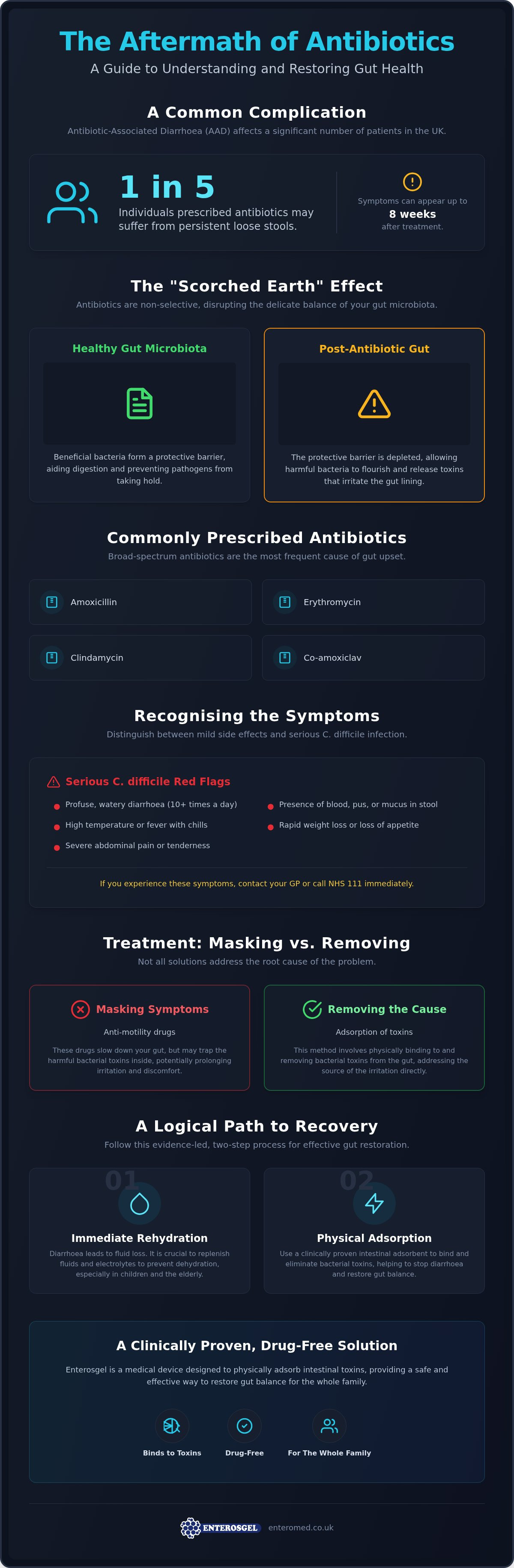
Did you know that nearly 20% of patients in the UK experience antibiotic-associated symptoms? Research indicates that up to 1 in 5 individuals prescribed a course of antibiotics will suffer from persistent loose stools. Dealing with diarrhoea after antibiotics treatment is a common yet distressing ordeal that can disrupt your daily life and leave you feeling physically drained. It's frustrating when the medication meant to heal an infection leaves you tethered to the bathroom. You might worry about dehydration or feel confused about whether taking even more medicine is the right way to stop the cycle.
You deserve a recovery process that feels safe, logical, and effective. This article provides a clinical perspective on why antibiotics disrupt your delicate internal balance. These medications often leave behind bacterial toxins that irritate the gut lining, acting as a physical irritant within your system. We'll explore how to identify these symptoms and, more importantly, how to stop them using evidence-led, drug-free solutions suitable for the entire family. By understanding the science of gut recovery, you can move past the discomfort with confidence and restore your digestive health.
Key Takeaways
- Understand how broad-spectrum antibiotics cause microbiota disruption by targeting beneficial bacteria alongside harmful pathogens.
- Learn to identify the symptoms of diarrhoea after antibiotics treatment and recognise when loose stools indicate a more serious infection like C. difficile.
- Discover why anti-motility drugs may be counterproductive by trapping bacterial toxins within the gut rather than removing them.
- Follow a logical, two-step recovery process involving immediate rehydration and the physical adsorption of intestinal toxins.
- Explore the clinical advantages of using a drug-free medical device like Enterosgel to restore gut balance safely for the whole family.
Understanding Why Diarrhoea After Antibiotics Treatment Occurs
Antibiotic-Associated Diarrhoea (AAD) is a frequent complication of bacterial infection management. It occurs because antibiotics are non-selective. They act like a scorched earth policy within your digestive tract, eliminating both the infection-causing bacteria and the beneficial microbes your body relies on. This process is known as microbiota disruption. When your "good" bacteria are depleted, the gut is left unprotected. This allows opportunistic pathogens to flourish and release harmful toxins that irritate the intestinal lining. This irritation is the primary driver of diarrhoea after antibiotics treatment.
The timing of these symptoms varies significantly. You might notice loose stools within 48 hours of your first dose, or the reaction could be delayed. In many cases, symptoms don't manifest until weeks after you've finished your medication. Research indicates that this window of vulnerability can last up to eight weeks. This delay happens because the gut ecosystem remains unstable and fragile long after the drugs have left your system.
The Role of the Gut Microbiota
Your gut flora functions as a living protective barrier. It coats the intestinal wall, preventing pathogens from taking hold and causing damage. Think of it as a physical shield that antibiotics effectively "thin" out. When this barrier is compromised, the underlying tissue becomes exposed and vulnerable to inflammation. Beyond protection, these microbes help digest food. A disrupted gut often fails to process certain carbohydrates properly, leading to an osmotic imbalance. This means the intestines retain too much water, which directly causes the sudden onset of watery stools and cramping.
Common Antibiotics Linked to Gut Upset
Broad-spectrum antibiotics are the most frequent culprits because they affect a wide range of bacterial species rather than targeting a specific strain. In the UK, medical professionals often observe AAD in patients taking specific treatments:
- Amoxicillin: Often used for respiratory or ear infections.
- Erythromycin: A common choice for skin or chest infections.
- Clindamycin: Frequently prescribed for more serious bacterial infections.
- Co-amoxiclav: A potent combination antibiotic used for various ailments.
Whilst any course of treatment can lead to digestive issues, these specific medications are particularly disruptive to the delicate balance of the flora. Dysbiosis is the clinical term for this state of microbial imbalance where the gut's natural harmony is lost and pathogens gain the upper hand.
Identifying Symptoms and the Risk of C. difficile
Distinguishing between a mild reaction and a more serious clinical complication is essential for effective recovery. Most cases of diarrhoea after antibiotics treatment are relatively mild, presenting as frequent loose stools and light abdominal cramping. These symptoms often resolve once the gut flora begins to stabilise. However, when the microbial balance is severely tipped, more aggressive pathogens can take hold. The most significant of these is Clostridioides difficile, commonly known as C. diff.
C. diff is a bacterium that many people carry harmlessly in their gut. It's usually kept under control by "good" bacteria. When a course of antibiotics eliminates these protective microbes, C. diff multiplies rapidly and releases potent toxins. These toxins chemically irritate and damage the lining of the colon. If you notice a sudden escalation in symptoms, it's vital to look for specific red flags that indicate a more serious inflammatory response:
- Profuse, watery diarrhoea occurring ten or more times a day.
- A high temperature or fever, often accompanied by chills.
- Severe abdominal pain or tenderness that doesn't ease after a bowel movement.
- The presence of blood, pus, or mucus in the stool.
- Rapid weight loss or a total loss of appetite.
When Mild Diarrhoea Becomes Serious
The progression from simple irritation to inflammatory colitis can happen quickly. This is particularly dangerous in environments like hospitals or care homes where C. diff spores can spread between vulnerable individuals. Whilst most post-antibiotic issues remain mild, any symptom that persists for more than a few days warrants professional attention. If you're unsure about the severity of your condition, contacting your GP or calling NHS 111 provides a safe pathway to clinical assessment. Monitoring the situation closely ensures that a simple case of dysbiosis doesn't develop into a more debilitating infection.
Recognising Dehydration in Adults and Children
Dehydration is the most immediate risk during any bout of diarrhoea. In adults, this often manifests as dark-coloured urine, a dry mouth, persistent thirst, and feelings of dizziness or lethargy. Vulnerable groups require even closer observation. For infants and toddlers, signs of fluid loss include sunken eyes, a lack of tears when crying, and significantly fewer wet nappies than usual. If you're managing symptoms in the youngest members of your family, refer to this clinical guide on baby diarrhoea treatment UK for specific advice on infant care. To support the recovery process and help prevent fluid loss, using a gentle intestinal adsorbent like Enterosgel can help by physically removing the toxins responsible for the irritation.
Comparing Treatment Strategies: Masking vs. Removing
When faced with the sudden onset of diarrhoea after antibiotics treatment, the common instinct is to reach for a quick fix. Conventional anti-motility drugs, such as loperamide, are widely available and work by slowing down the muscular contractions of the bowel. Whilst this effectively stops the physical movement of the gut, it doesn't address the underlying cause of the irritation. In the context of antibiotic-associated symptoms, this approach can be counterproductive.
The primary issue with slowing gut motility is the risk of "trapping" bacterial toxins inside the body. If your intestines are attempting to expel harmful substances produced by opportunistic pathogens, forcing the bowel to stop moving keeps those toxins in contact with your intestinal lining for longer. This can prolong inflammation and delay the natural healing process. A more clinical approach involves removing the irritants rather than simply masking the symptoms.
Why Adsorption is Different from Absorption
Adsorption is a physical process that differs fundamentally from the way traditional drugs are absorbed into the bloodstream. Think of an adsorbent as a molecular magnet or a highly selective sponge. It doesn't enter your system; instead, it passes through the digestive tract, attracting and binding toxins to its surface. Because these medical devices aren't absorbed by the body, they don't cause systemic side effects or interact with other medications. This makes them a safe and logical choice for vulnerable groups, including infants and the elderly, who require a gentle way to clear the gut of pathogens and their by-products.
The Limitations of Probiotics Alone
Probiotics are often recommended for long-term microbiota recovery, but they have distinct limitations during an active flare-up. These live cultures are meant to replenish the "good" bacteria lost during your treatment, yet they don't provide immediate relief from the toxins already present in your gut. Probiotics need time to colonise and compete with harmful bacteria. They aren't designed to physically remove the irritants causing your current discomfort. A more effective strategy is a dual approach. By using an adsorbent to clear the "toxic load" from the gut first, you create a stable environment that allows probiotics to work more efficiently at restoring your internal balance over the coming weeks.
Practical Steps for Post-Antibiotic Gut Recovery
Restoring your digestive health requires a methodical approach that addresses both the symptoms and the underlying cause. Managing diarrhoea after antibiotics treatment isn't simply about waiting for the issue to pass. It involves active intervention to protect the gut lining and restore fluid balance. A structured recovery protocol helps minimise the duration of illness and prevents the complications associated with prolonged dehydration.
- Step 1: Immediate Hydration. Use oral rehydration salts (ORS) to replace lost electrolytes. Water alone is often insufficient for clinical dehydration.
- Step 2: Toxin Removal. Commencing an intestinal adsorbent helps clear the gut of the bacterial toxins and pathogens that cause irritation.
- Step 3: Dietary Adjustment. Adopt a temporary low-fibre, bland diet to reduce the workload on your digestive system.
- Step 4: Gradual Reintroduction. Once stools have firmed up, slowly reintroduce fermented foods or high-quality probiotics to support long-term flora recovery.
- Step 5: Hygiene Vigilance. Maintain strict hand-washing routines with soap and water to prevent the spread of spores, especially if a more serious infection is suspected.
What to Eat During Gut Recovery
Your diet should focus on "binding" foods that are easy for the intestines to process. The BRAT diet (Bananas, Rice, Applesauce, and plain Toast) remains a clinical staple for short-term management. These foods are low in fibre and help firm up the stool without causing further irritation. It's essential to avoid gut-aggravators such as dairy products, caffeine, spicy seasonings, and high-fat meals until your digestion has fully stabilised. Eating small, frequent meals rather than three large ones prevents overwhelming your already sensitive system. This gentle approach gives your gut the space it needs to heal.
Maintaining Electrolyte Balance
Severe diarrhoea causes the body to lose more than just water. It depletes essential minerals like sodium and potassium which are vital for cellular function. Oral rehydration solutions are specifically formulated with a precise balance of glucose and salts to facilitate maximum fluid absorption in the small intestine. For parents managing these symptoms in toddlers, encouraging fluid intake can be challenging. Try offering rehydration fluids in small, frequent sips using a colourful straw or freezing the solution into ice lollies. This makes the process less daunting for a reluctant child whilst ensuring they receive the necessary electrolytes. To support this recovery process, you can buy Enterosgel online to help physically remove the irritants from your system.
Enterosgel: A Clinically Proven, Drug-Free Solution
Managing the aftermath of an infection requires a solution that addresses the root cause of irritation. Enterosgel is a professional-grade intestinal adsorbent specifically designed to manage diarrhoea after antibiotics treatment. Unlike traditional medications that may have systemic effects, Enterosgel is a drug-free medical device with a clinical history spanning over 30 years. It provides a safe, targeted way to clear the gut of the harmful substances that antibiotics often leave behind.
The efficacy of the gel lies in its unique porous structure. It acts like a molecular sieve, specifically binding medium-weight molecules such as bacterial toxins and pathogens. Crucially, it leaves essential nutrients, vitamins, and beneficial bacteria alone. Because the gel is not absorbed into the bloodstream, it remains entirely within the digestive tract. It travels through the system, trapping irritants on its surface, and is then expelled naturally during a bowel movement. This physical removal process ensures that toxins are cleared from the body rather than being trapped within the gut wall.
Suitable for the Whole Family
Safety is a primary concern when treating diarrhoea after antibiotics treatment in children. Enterosgel is a versatile addition to any family medicine cabinet because of its gentle, non-allergenic profile. For parents managing symptoms in infants and toddlers, Enterosgel Kids 0+ offers a reliable solution suitable from birth. The gel is tasteless and has a smooth consistency, making it easy to administer. You can simply dilute the required dose in water or a small amount of juice, ensuring that even the most reluctant children can take it without distress.
Available Formats for Home and Travel
Recovery can take time, and having the right format on hand is essential for consistent treatment. The Enterosgel 225g Tube is ideal for home use, providing a sufficient supply for a full course of gut recovery. For those who need to maintain their routine whilst away from home, the sachet packs offer a travel-friendly alternative. These pre-measured doses fit easily into a bag or travel kit, ensuring you're never without protection. Whilst this guide focuses on acute recovery, those who experience long-term gut sensitivity may find additional support in our irritable bowel syndrome relief UK guide. By physically adsorbing the drivers of inflammation, Enterosgel helps restore a sense of stability and comfort to your daily life.
Restoring Your Digestive Balance with Confidence
Recovering from an infection shouldn't be overshadowed by the distress of digestive instability. Understanding that diarrhoea after antibiotics treatment is a manageable side effect of microbiota disruption is the first step toward healing. By prioritising the physical removal of toxins rather than simply slowing the bowel, you address the root cause of irritation. This approach, combined with proper rehydration and gentle dietary choices, provides a clear pathway to restoring your internal harmony.
Enterosgel offers a sophisticated, drug-free solution that has been clinically proven for over 30 years. Recommended by healthcare professionals, it's safe for the entire family, including infants from birth. It doesn't enter your bloodstream; it simply acts as a gentle purifier to help your gut return to its natural state. You can buy Enterosgel today for fast, drug-free relief from post-antibiotic diarrhoea and begin your journey toward lasting gut recovery. Take the proactive step to protect your well-being and feel like yourself again.
Frequently Asked Questions
How long does diarrhoea last after antibiotics treatment?
Diarrhoea typically resolves within a few days once the course of medication is completed and the gut begins to stabilise. However, managing diarrhoea after antibiotics treatment can sometimes take several weeks as the microbiota recovers from the disruption. If loose stools continue for more than fourteen days or become increasingly severe, it's essential to seek medical advice to rule out secondary infections or significant inflammatory issues that may require further clinical intervention.
Is diarrhoea after antibiotics contagious?
Standard antibiotic-associated diarrhoea caused by simple microbial imbalance is not contagious. However, if the symptoms are caused by a pathogen like Clostridioides difficile (C. diff), it can be highly infectious. C. diff produces resilient spores that survive on surfaces and can spread easily between people. Maintaining strict hand hygiene with soap and water is vital to prevent the transmission of these spores within a household or clinical environment during the recovery phase.
Can I take Imodium for diarrhoea after antibiotics treatment?
Clinical professionals often advise against using anti-motility drugs like Imodium for diarrhoea after antibiotics treatment. These medications work by slowing down the bowel's muscular contractions, which may trap harmful bacterial toxins inside your system. This can lead to prolonged inflammation or even more serious complications like toxic megacolon. It is usually safer to use an intestinal adsorbent that physically removes the toxins while allowing the bowel to maintain its natural movement and cleansing process.
Should I stop taking my antibiotics if I get diarrhoea?
You should not stop taking your prescribed antibiotics without consulting your GP or healthcare provider first. Discontinuing a course early can lead to antibiotic resistance or the return of the original infection you were treating. If your diarrhoea is mild, you can often manage the symptoms with oral rehydration and adsorbents. However, if the symptoms are severe or include red flags like a high fever, contact a medical professional immediately to discuss your options.
What are the best probiotics for post-antibiotic recovery?
Research indicates that specific strains, such as Saccharomyces boulardii and certain Lactobacillus species, are effective for restoring gut balance after antibiotics. These probiotics help replenish beneficial bacteria and compete with harmful pathogens for space. Whilst they are excellent for long-term recovery, they work most effectively when the gut has been cleared of the initial toxic load. Using them alongside a toxin-binding adsorbent provides a comprehensive recovery strategy that addresses both the symptoms and the cause.
Can babies take Enterosgel for diarrhoea after antibiotics?
Yes, Enterosgel is suitable for infants and children from birth for managing digestive distress. It is a drug-free medical device that is not absorbed into the body, making it an appropriate choice for the youngest members of the family. The gel is tasteless and can be easily mixed with water, breast milk, or formula. This provides parents with a gentle yet effective way to manage their child's symptoms without the risk of systemic side effects or allergies.
What is the difference between mild AAD and C. diff?
Mild AAD involves occasional loose stools and light cramping that usually passes once the gut flora begins to recover. In contrast, a C. diff infection is a more serious clinical condition characterised by profuse, watery diarrhoea, high fever, and severe abdominal pain. C. diff occurs when the bacteria produce large amounts of toxins that cause significant inflammation in the colon wall. If you experience more than ten bowel movements a day, seek urgent medical attention for assessment.
How does an intestinal adsorbent help with antibiotic-associated diarrhoea?
An intestinal adsorbent works by physically binding pathogens and their harmful toxins within the digestive tract. Unlike drugs that alter your body's chemistry or slow down digestion, the adsorbent remains in the gut and acts as a cleansing agent to collect irritants. Once these substances are trapped on the surface of the gel, they are carried out of the body naturally during bowel movements. This process helps reduce the duration of diarrhoea by removing the primary irritants.
Share this article