

How to Relieve Abdominal Pain and IBS Urgency: A Clinical Guide
Most traditional treatments for irritable bowel syndrome focus on masking symptoms rather than addressing the physical triggers within the gut. True stability comes from removing the irritants themselves. If you live with the unpredictable nature of IBS, you understand the daily burden of sharp, cramping abdominal pain and the sudden, frantic urgency that dictates your schedule whilst you're away from home. The persistent bloating that makes your favourite clothes feel uncomfortably tight only adds to the physical and emotional distress.
You deserve a reliable way to manage these flare-ups without relying on complex pharmacological drugs that enter your bloodstream. This clinical guide provides a step-by-step approach to achieving lasting abdominal pain IBS relief using a proven, drug-free method. We'll explain how to physically bind and remove gut toxins to reduce the frequency of pain episodes and regain control over bowel urgency. By the end of this article, you'll have a clear, evidence-led strategy to manage your digestive health with confidence and ease.
Key Takeaways
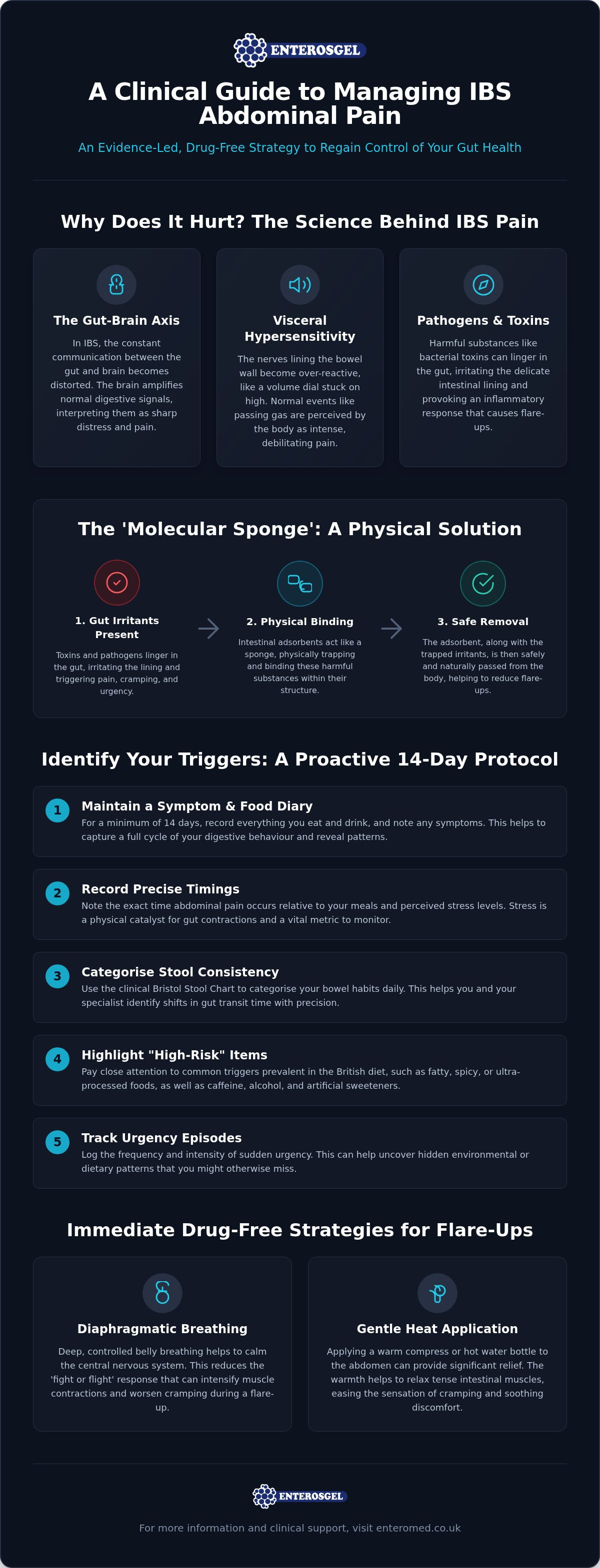
- Understand the clinical connection between visceral hypersensitivity and the gut-brain axis to better manage your perception of discomfort.
- Master a 14-day protocol for tracking symptoms and meals to secure lasting abdominal pain IBS relief by identifying your specific triggers.
- Learn immediate, drug-free strategies such as diaphragmatic breathing and heat application to calm the nervous system during moments of urgency.
- Discover how intestinal adsorbents act as a "molecular sponge" to physically trap and remove harmful substances from your digestive tract.
- Create a sustainable long-term plan that combines daily clinical support with regular professional monitoring for consistent gut health.
Understanding the Link Between IBS and Abdominal Pain
Abdominal pain in IBS is more than a simple digestive hiccup. It's a complex neurological and physiological event that fundamentally changes how you experience your body. Whilst many people experience occasional bloating after a large meal, chronic IBS-related discomfort is persistent, intense, and often life-altering. This pain isn't just in your head, but it's deeply connected to your nervous system.
The gut and the brain exist in a constant state of communication known as the gut-brain axis. In a healthy digestive system, the brain filters out the background noise of digestion. However, for those seeking a comprehensive overview of Irritable Bowel Syndrome, it's clear that this communication loop becomes distorted. The brain begins to amplify signals from the gut, turning what should be a minor sensation of movement into a sharp signal of distress. Achieving lasting abdominal pain IBS relief requires addressing this heightened sensitivity alongside the physical triggers that set it off.
Visceral Hypersensitivity: Why Your Gut is Extra Sensitive
Visceral hypersensitivity describes a state where the nerves lining your bowel wall become over-reactive. Imagine a volume dial that's been stuck on high. Normal intestinal movements, such as the passage of gas or the contraction of muscles after eating, are perceived by the body as intense pain. This creates a cycle of discomfort that feels inescapable.
Several factors contribute to this heightened state. Previous gut infections, such as a severe bout of food poisoning, can leave the intestinal nerves in a state of high alert long after the initial pathogen has cleared. This lowers your pain threshold significantly. Validating this experience is the first step toward management; your pain is a real physical response to an over-sensitive system, not a lack of resilience.
The Role of Pathogens and Toxins in IBS Pain
Physical irritants play a major role in triggering flare-ups. Harmful substances, including bacterial toxins and pathogens, can irritate the delicate intestinal lining. When these irritants linger in the gut, they provoke an inflammatory response that leads to both cramping and sudden bowel urgency. The body attempts to flush these substances out rapidly, resulting in the frantic feeling many IBS sufferers know well.
Effective management isn't just about calming the nerves; it's about removing the source of irritation. Enterosgel works as a drug-free intestinal adsorbent, behaving like a molecular sponge that physically traps these toxins. By binding harmful substances and removing them from the body, you can reduce the underlying triggers of pain. This physical removal of irritants is a primary strategy for those seeking a reliable tool for abdominal pain IBS relief during a flare-up.
How to Identify Your IBS Pain Triggers
Pinpointing the exact causes of your symptoms is the foundation of effective management. It isn't enough to generalise; you need specific data to achieve long-term abdominal pain IBS relief. By following a structured observation protocol, you can move from reactive treatment to proactive prevention. This process requires patience but provides the clarity needed to regain control over your digestive health.
- Step 1: Maintain a comprehensive symptom and food diary for a minimum of 14 days to capture a full cycle of digestive behaviour.
- Step 2: Record the precise timing of abdominal pain relative to meals and perceived stress levels.
- Step 3: Categorise your stool consistency daily using the Bristol Stool Chart to identify shifts in gut transit time.
- Step 4: Highlight "high-risk" items, particularly fatty, spicy, or ultra-processed foods that often trigger contractions.
- Step 5: Track the frequency and intensity of urgency episodes to uncover hidden environmental or dietary patterns.
Using a Food and Symptom Diary Effectively
A successful diary captures more than just your main meals. You should track fluid intake, any medications or supplements you take, and your emotional state throughout the day. Stress often acts as a physical catalyst for gut contractions, making it a vital metric to monitor. The Bristol Stool Chart is a clinical tool used for categorising bowel habits into seven distinct types based on shape and consistency. Recording these details helps your GP or specialist provide a more accurate diagnosis and tailored advice.
Common Dietary Triggers Amongst UK Sufferers
Certain irritants are particularly prevalent in the British diet. Caffeine and alcohol are well-known stimulants that can accelerate gut motility and irritate the intestinal lining. Artificial sweeteners like sorbitol, often found in sugar-free gums and mints, can also cause significant distress and bloating. Another often overlooked trigger is "resistant starch," which forms when foods like pasta or potatoes are cooked and then cooled, making them harder for the small intestine to process.
Whilst some patients may eventually require medical treatments for IBS to manage severe symptoms, dietary modification remains a primary strategy. For those seeking deeper clinical context on local management, our irritable bowel syndrome relief UK guide offers additional insights into navigating these challenges. Identifying these culprits allows you to make informed choices that protect your gut. If you find yourself in the middle of a difficult flare-up, using an intestinal adsorbent like Enterosgel can provide a physical way to remove irritants whilst you work on your long-term plan.
Practical Strategies for Immediate IBS Relief
When a flare-up occurs, the priority shifts from long-term tracking to acute symptom stabilisation. Achieving abdominal pain IBS relief in the moment requires a combination of physical relaxation and the removal of gut irritants. These drug-free methods provide a reliable toolkit for managing discomfort without the systemic side effects often associated with pharmacological drugs. By focusing on the physical mechanics of the gut, you can calm the system whilst it processes the triggers.
- Apply gentle heat: Placing a warm wheat bag or hot water bottle on the abdomen helps relax cramped intestinal muscles and encourages blood flow to the area, which can significantly reduce the intensity of spasms.
- Practise diaphragmatic breathing: Deep, controlled belly breathing activates the vagus nerve. This signals the parasympathetic nervous system to take over, which can physically slow down the frantic contractions associated with bowel urgency.
- Modify fibre intake: Whilst fibre is generally healthy, insoluble fibre found in skins and seeds can be abrasive during a flare. Opt for soothing soluble fibre, such as plain porridge oats, to provide bulk without further irritation.
- Utilise intestinal adsorbents: Use a medical device like Enterosgel to physically bind pathogens and toxins in the gut. This prevents them from further aggravating the intestinal lining and helps restore stability more quickly.
The Low FODMAP Approach for Pain Management
FODMAPs are a group of fermentable carbohydrates that are often poorly absorbed in the small intestine. When these sugars reach the colon, they are fermented by gut bacteria, producing gas and drawing water into the bowel. This process leads to significant distension and sharp pain. During a flare-up, switching to "safe" alternatives like kiwis, spinach, or gluten-free grains can provide much-needed respite. For a more detailed guide on managing gas-related discomfort, consult our IBS bloating treatment checklist.
Managing Bowel Urgency Whilst Away from Home
The anxiety of being far from a toilet often exacerbates IBS symptoms through the gut-brain axis. Carrying a "Can't Wait" card from Disability Rights UK can provide significant psychological relief, as it discreetly explains your medical need for urgent toilet access in shops and businesses. We also recommend keeping a small emergency kit in your bag. This should include wet wipes and intestinal adsorbent sachets. Knowing you have a physical tool to manage a sudden onset of symptoms whilst out and about can lower your stress levels, which in turn reduces the likelihood of a stress-induced flare.
The Role of Intestinal Adsorbents in IBS Relief
Intestinal adsorbents represent a distinct category of clinical care. Whilst many traditional treatments focus on masking symptoms or slowing the gut through chemical means, these substances work through a physical mechanism known as adsorption. This is the process of trapping toxins, pathogens, and allergens on a specific surface. Enterosgel acts as a molecular sponge within the digestive tract. It selectively binds harmful substances and carries them out of the body naturally during bowel movements. Because it is drug-free and not absorbed into the bloodstream, it provides a high-performance route to abdominal pain IBS relief without the risk of systemic side effects or complex drug interactions.
Adsorption vs. Absorption: Why the Distinction Matters
The difference between these two processes is fundamental to your gut health and safety. Absorption involves a substance entering your bloodstream and circulating through your body, which can lead to unwanted side effects or metabolic strain. Adsorbents remain entirely within the gut lumen. They bind irritants to their surface rather than being taken into the body's systems. Enterosgel is a medical device used for over 30 years to treat intestinal disorders. This physical action makes it suitable for both acute flare-ups and long-term management amongst those with particularly sensitive systems.
Targeting the Root Cause of IBS Urgency
Sudden urgency is frequently a "flush" response to physical irritation. When pathogens or bacterial toxins linger in the gut, they provoke the intestinal wall to contract rapidly in an attempt to expel the irritants. By removing these physical triggers, a drug-free IBS treatment UK strategy directly reduces the stimulus for these painful spasms. Clinical studies indicate that reducing the toxic load on the intestinal mucosa helps to lower visceral hypersensitivity over time. This means the nerves in the gut wall become less reactive to normal digestive processes. This method doesn't cause the rebound constipation often seen with pharmacological anti-diarrhoeals. It simply cleanses the environment to allow the gut to return to its natural rhythm.
Clinical evidence confirms that this approach significantly reduces the frequency of pain episodes and the severity of urgency. It offers a reliable tool for those who want to manage their condition without introducing harsh chemicals into their system. For those ready to implement a professional, evidence-led solution, you can purchase Enterosgel to include in your daily digestive management plan.
Creating a Sustainable IBS Management Plan
Creating a sustainable routine is the final step in moving from a state of constant distress to one of controlled gut health. Whilst immediate interventions are necessary during a flare, long-term abdominal pain IBS relief relies on a multi-faceted approach that respects the sensitivity of your digestive system. This involves combining physical adsorbents with careful lifestyle adjustments and professional medical oversight. A structured plan ensures you aren't just reacting to symptoms as they appear but are actively maintaining a stable internal environment.
- Daily Integration: Incorporate Enterosgel into your routine during symptomatic periods or as a preventative measure when you know your triggers might be present.
- Professional Oversight: Organise regular check-ins with your GP to monitor your symptom progression and ensure your management strategy remains aligned with your clinical needs.
- Nutritional Balance: Focus on maintaining a varied diet. Whilst it's tempting to cut out many food groups to avoid pain, you must balance restrictions with nutritional variety to prevent vitamin and mineral deficiencies.
- Gut-Brain Support: Implement stress reduction techniques such as yoga or mindfulness. These practices help calm the gut-brain axis, reducing the neurological amplification of pain signals.
How to Use Enterosgel for Maximum Efficacy
To achieve the best results, it's essential to follow the clinical guidelines for administration. The Enterosgel 225g Tube is ideal for home use, allowing for precise dosing according to your needs. For those with busy schedules or those managing urgency whilst away from home, the pack of 10 sachets provides a convenient, portable alternative. It's a clinical requirement to take the gel approximately 2 hours before or after taking any other oral medications to ensure it doesn't interfere with their absorption. For those just beginning their journey toward better gut health, the IBS Starter Pack, which includes both the tube and sachets, offers a comprehensive introduction to the range.
Long-term Outlook and Professional Support
Managing IBS is often a journey of trial and error. It requires a "gentle protector" mindset, where you prioritise treats your gut with care rather than relying on harsh chemical interventions. By focusing on physical toxin removal and nervous system regulation, you can significantly reduce the frequency and intensity of flare-ups. Remember that your management plan should be dynamic; as your symptoms change, your approach should evolve in consultation with healthcare professionals. This steady, evidence-led progression empowers you to live a life that isn't dictated by your digestive system. To begin building your toolkit, you can explore the Enterosgel range for clinically proven IBS relief and take the first step toward lasting comfort.
Regaining Control of Your Digestive Health
Managing the unpredictable nature of IBS requires a transition from reactive symptom masking to proactive gut protection. By understanding the link between visceral hypersensitivity and the physical triggers in your digestive tract, you can implement a more effective strategy for long-term abdominal pain IBS relief. Success lies in the combination of identifying specific dietary triggers and utilising clinical tools that physically remove pathogens before they can cause distress.
Enterosgel is a clinically proven medical device that's been recommended by healthcare professionals for over 30 years. It's entirely drug-free and non-allergenic; this makes it a safe choice for those with sensitive systems. Rather than entering the bloodstream, it remains in the gut to bind and remove toxins naturally. You can shop the Enterosgel range for drug-free IBS relief to begin your journey toward a more stable and comfortable lifestyle. With the right tools and a structured management plan, you can regain control and live confidently without the constant fear of a flare-up.
Frequently Asked Questions
How can I get immediate relief from IBS abdominal pain?
Immediate relief involves calming the nervous system and relaxing the gut wall. Applying a warm wheat bag can soothe cramping, whilst diaphragmatic breathing helps reduce the intensity of contractions. For physical abdominal pain IBS relief, using an intestinal adsorbent like Enterosgel can help by binding the irritants that trigger pain. These methods provide a drug-free way to manage acute flare-ups safely without systemic side effects.
Can Enterosgel help with bowel urgency and diarrhoea?
Yes, Enterosgel is specifically designed to manage urgency and diarrhoea by physically removing pathogens and toxins from the gut. It acts like a molecular sponge, trapping harmful substances on its surface so they can be expelled naturally. By removing these physical triggers, the gel reduces the stimulus for rapid bowel movements. This clinical approach helps restore a normal digestive rhythm and provides more predictable control over your bowel habits.
Is Enterosgel safe to take every day for IBS?
Enterosgel is safe for long-term use because it is a drug-free medical device that is not absorbed into the bloodstream. It remains entirely within the intestinal tract and is expelled naturally with bowel movements. This makes it suitable for managing chronic IBS symptoms or for use as a preventative measure during periods of high stress. Always follow the specific dosage instructions provided on the packaging or by your healthcare professional.
What is the difference between Enterosgel and standard IBS medicines?
Standard IBS medicines often use pharmacological chemicals to slow down the gut or mask pain signals. In contrast, Enterosgel works through a physical mechanism called adsorption. It doesn't enter your system or alter your body's chemistry; instead, it cleanses the gut environment by trapping harmful substances. This makes it a gentler option for those with sensitive systems who want to avoid the side effects of traditional drugs.
Can children use Enterosgel for stomach pain?
Yes, Enterosgel Kids 0+ is specifically formulated for use in infants and children. It provides a safe, drug-free way to manage stomach pain, diarrhoea, and digestive upsets in younger patients. Because it isn't absorbed into the blood, it has a high safety profile for vulnerable groups. It is a reliable tool for parents looking for a professional solution to help their child find relief from physical gut discomfort.
Do I need a prescription for Enterosgel in the UK?
You don't need a prescription to purchase Enterosgel in the United Kingdom. It is available as an over-the-counter medical device in many pharmacies and through online health retailers. You can choose from the 225g tube for home use or convenient sachet packs for managing symptoms whilst on the go. Whilst it's available without a prescription, it's still advisable to discuss any new treatment with your GP.
How long does it take for Enterosgel to work for IBS symptoms?
Most users report a reduction in acute symptoms within 1 to 2 hours of taking the gel. However, the exact timing can vary depending on the severity of the flare-up and the individual's digestive transit time. For chronic conditions, consistent use over several days may be required to achieve optimal abdominal pain IBS relief. The gel works steadily to cleanse the gut of irritants, leading to gradual stabilisation.
Can stress cause sudden IBS urgency and how do I stop it?
Stress triggers sudden urgency through the gut-brain axis, which sends rapid signals to the intestinal nerves. To stop a stress-induced flare, you should utilise calming techniques like mindfulness or deep belly breathing to settle the nervous system. Carrying intestinal adsorbent sachets can also provide psychological reassurance. Knowing you have a physical tool to manage a sudden onset of symptoms helps reduce the anxiety that often fuels the urgency cycle.
Share this article