

Removing Bacterial Toxins from the Gut: Clinical Myth-Busting and Reality
Drinking charcoal-coloured juices or enduring restrictive fasts won't fix a compromised digestive system. Most trendy "cleanses" are simply aggressive laxatives that irritate the intestinal lining rather than healing it. You've likely experienced the exhaustion of chronic bloating and persistent abdominal discomfort, only to be met with conflicting advice that feels more like retail marketing than clinical medicine. It's natural to feel hesitant about using harsh chemicals, especially when you're already struggling with a sensitive gut. You deserve a solution that is both high-performance and gentle enough for everyday use.
The reality is that your body doesn't need a flush; it needs a targeted way of removing bacterial toxins from gut pathways without disrupting your natural flora or essential nutrients. We're here to provide the scientific clarity you've been searching for. In this article, we'll debunk the common myths surrounding "detoxing" and explain how the physical mechanism of adsorption works as a gentle protector for your digestive tract. You'll discover a drug-free, medical-grade approach that’s been clinically proven to bind harmful pathogens and toxins, offering you a sophisticated, evidence-led path back to long-term comfort and confidence.
Key Takeaways
- Differentiate between various types of bacterial toxins, such as exotoxins and endotoxins, to understand their specific impact on your digestive system.
- Examine why aggressive liquid "detoxes" and irrigation methods often fail to provide lasting relief and may lead to electrolyte imbalances.
- Discover the clinical mechanism of adsorption as a drug-free method for removing bacterial toxins from gut environments whilst protecting the intestinal wall.
- Learn to identify the most appropriate times for clinical intervention, particularly during episodes of food poisoning or chronic IBS flare-ups.
- Understand how medical-grade intestinal adsorbents provide a sophisticated, non-allergenic solution that is safe for the entire family.
What are Bacterial Toxins and How Do They Affect Your Health?
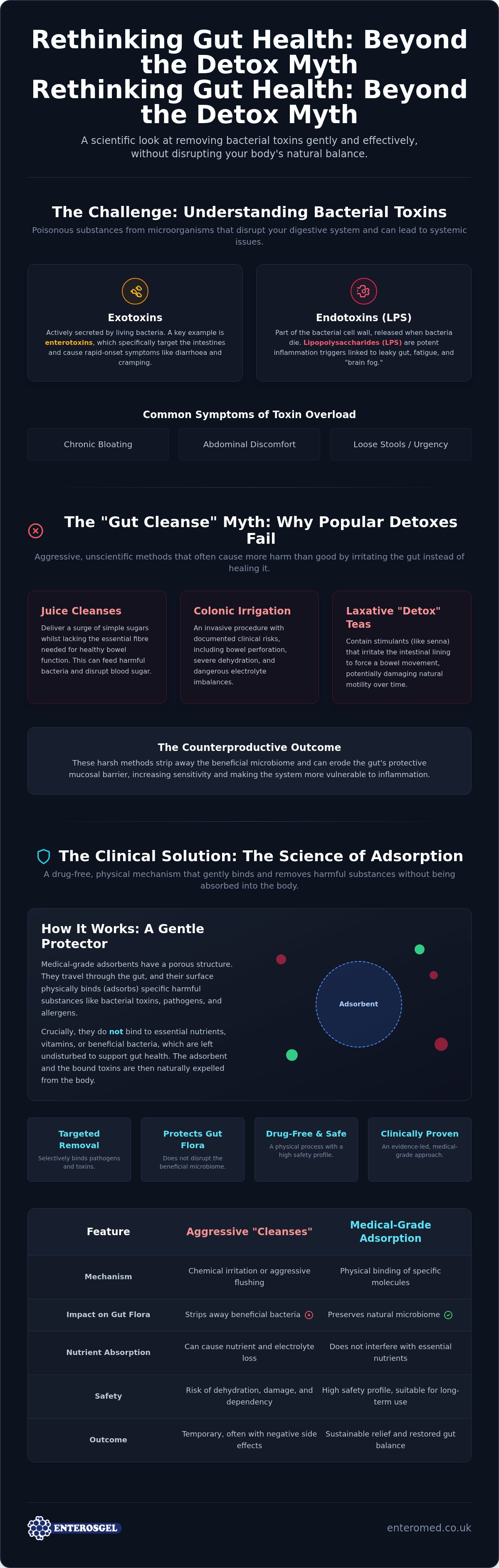
Bacterial toxins are poisonous substances produced by microorganisms. They aren't just biological waste; they're active agents that can disrupt your entire digestive system. To understand the clinical necessity of removing bacterial toxins from gut environments, we must distinguish between two primary categories: exotoxins and endotoxins. Exotoxins are actively secreted by living bacteria. If you have ever wondered what is an enterotoxin, it's a specific type of exotoxin that targets the intestines, often leading to rapid-onset symptoms. In contrast, endotoxins are structural components of the bacteria themselves, released only when the cell wall breaks down.
These irritants enter the system through contaminated food, water, or an overgrowth of resident bacteria. Once present, they damage the intestinal mucosa. This damage can lead to "leaky gut," a state where the intestinal barrier becomes overly permeable, allowing toxins to migrate into the bloodstream. The body's immediate response is often aggressive. It attempts to dilute and expel these substances, resulting in acute diarrhoea, cramping, and significant inflammation.
The Role of Endotoxins in Gut Inflammation
Lipopolysaccharides (LPS) are the most significant endotoxins in clinical gut health. When Gram-negative bacteria die, they shed LPS into the intestinal lumen. These molecules are potent triggers for inflammation. High levels of circulating LPS are frequently linked to systemic issues such as profound fatigue and "brain fog." Lipopolysaccharides act as a primary catalyst for increased intestinal permeability, compromising the gut's protective shield.
Common Symptoms of Toxin Overload
Bloating. Urgency. Loose stools. These symptoms represent a clear "Problem-Solution-Explanation" rhythm within the body. The problem is the presence of irritants; the solution is the body's attempt to flush them out; the explanation is the resulting physical distress. Whilst a temporary "upset stomach" might resolve quickly, chronic toxin-related issues persist because the underlying bacterial load remains high.
During illness or chronic conditions like IBS, the body's natural filtration systems can become overwhelmed. The sheer volume of pathogens makes removing bacterial toxins from gut linings difficult without external assistance. Instead of a natural exit, toxins continue to circulate, prolonging inflammation and delaying the healing of the delicate gut lining. This cycle of irritation often requires a sophisticated clinical intervention to break.
The Gut Cleanse Myth: Why Popular Detoxes Fail
The wellness industry often promotes the idea that the human digestive system is a pipe that requires periodic "scrubbing." This metaphor is fundamentally unscientific. Popular juice cleanses do not "reset" your intestinal flora. Instead, they frequently provide a surge of simple sugars whilst lacking the essential fibre needed to support healthy bowel function. Aggressive colonic irrigation is even more concerning. It carries documented clinical risks, including bowel perforation, severe dehydration, and electrolyte imbalances that can lead to cardiac distress.
Laxative-based "detox" teas are another common pitfall for those seeking relief. These products often contain stimulants like senna that irritate the intestinal lining to force a bowel movement. Over time, this behaviour can be habit-forming and may damage the gut’s natural motility, leading to chronic constipation once the stimulant is removed. A "Gentle Protector" perspective recognizes that the gut requires support, not a harsh or abrasive intervention. True recovery involves assisting the body's natural processes rather than overriding them with irritants.
Why "Flushing" is Often Counterproductive
Aggressive cleansing methods don't just target waste; they strip away the beneficial microbiome. Your gut is lined with a delicate mucosal barrier that serves as the first line of defence against pathogens. When you use harsh "flushes," you risk eroding this protective layer and increasing intestinal sensitivity. This irritation makes the system more vulnerable to inflammation and further discomfort. For those seeking a safer, evidence-led approach, exploring a Clinical Guide to Intestinal Adsorbents for Diarrhoea clarifies how medical-grade solutions differ from these aggressive retail trends.
Scientific Reality vs. Marketing Hype
The term "detox" is frequently misused in marketing to sell unproven supplements. Scientifically, your liver and kidneys handle systemic detoxification, but they cannot physically trap pathogens within the intestinal lumen. When researchers discuss Gut microbiome toxicity, they are referring to functional damage caused by environmental factors and bacterial byproducts. Effective clinical strategies focus on removing bacterial toxins from gut pathways using physical means rather than metabolic ones. This shift toward using clinically proven medical devices ensures that toxins are captured and expelled without being absorbed into the bloodstream. If you are looking for a reliable way to manage symptoms, choosing a medical-grade solution for gut health provides the scientific rigor that "detox" teas lack.
The Science of Adsorption: A Physical Method of Toxin Removal
Adsorption is a specific physical process. Whilst the term sounds similar to absorption, the medical distinction is vital for anyone focused on removing bacterial toxins from gut pathways. Absorption occurs when a substance enters the body's internal environment or bloodstream. Adsorption, however, is a surface-level interaction. Imagine a magnet attracting iron filings; the particles stick to the exterior without becoming part of the magnet itself. This physical mechanism ensures the treatment remains entirely within the digestive tract, eventually being expelled naturally along with the trapped toxins.
This method differs significantly from traditional chemical treatments. Because it relies on physical attraction rather than metabolic reactions, it does not place any additional load on the liver or kidneys. The effectiveness of gut detox diets is often questioned by the medical community because they lack this targeted physical precision. Adsorption provides a controlled, evidence-led alternative to the unpredictable nature of liquid cleanses.
The "Molecular Sponge" Metaphor
Medical-grade intestinal adsorbents are engineered with a porous, gel-like structure. This design acts as a molecular sponge. The pores are precisely sized to attract and bind medium-sized molecules, such as bacterial toxins, pathogens, and allergens. Because these pores are calibrated for specific irritants, they do not trap essential vitamins, minerals, or the beneficial bacteria that constitute a healthy microbiome. This selectivity is what allows for a targeted "clean-up" of the gut without the collateral damage caused by aggressive flushing methods. It is a sophisticated way of filtering the intestinal contents whilst leaving the body's natural resources intact.
Why Adsorption is Safer for Sensitive Guts
Mineral-based gels offer a non-allergenic alternative to traditional pharmaceuticals. Since the gel is not absorbed systemically, there is no risk of systemic side effects. The treatment stays exactly where it is needed. This makes it an appropriate choice for vulnerable groups, including children from birth and those with multiple sensitivities. It provides a stable, drug-free method for removing bacterial toxins from gut linings whilst maintaining the integrity of the mucosal barrier. For a deeper dive into these clinical mechanisms, consult our Gut Toxin Binders: A Clinical Guide to Intestinal Adsorbents and Digestive Relief. This authoritative approach ensures that the path to relief is grounded in physics rather than pharmaceutical intervention.
Clinical Strategies for Removing Bacterial Toxins Safely
Clinical intervention becomes necessary when the body's natural expulsion processes are insufficient or causing excessive distress. Food poisoning, travellers' diarrhoea, and acute IBS flare-ups are primary examples where the focus must shift to removing bacterial toxins from gut pathways quickly. Hydration is the cornerstone of any recovery plan. However, whilst water and electrolytes are vital for stability, they cannot physically bind pathogens. It's essential to combine fluid intake with a physical adsorbent to trap irritants whilst protecting the mucosal barrier. This dual approach ensures the body is supported rather than merely managed.
Authoritative expert advice often highlights the "die-off" effect during or after antibiotic treatment. When antibiotics neutralise harmful bacteria, the dying cells release a surge of endotoxins into the intestinal lumen. This sudden release can trigger post-antibiotic diarrhoea and systemic inflammation. Using a binder during this phase helps mitigate the inflammatory response by capturing these toxins before they can irritate the gut lining. It provides a "smart" protection that traditional supplements often overlook. If you are currently managing an acute flare-up or chronic sensitivity, you can order a clinical intestinal adsorbent to begin a targeted recovery.
Managing IBS and Chronic Toxin Sensitivity
In chronic conditions like IBS-D, recurring toxin production is a significant driver of persistent urgency and abdominal pain. Relying on a one-off "cleanse" is a tactical error. Clinical management requires a consistent programme to neutralise the daily bacterial byproducts that trigger intestinal sensitivity. Supporting the gut barrier involves more than just avoidance; it requires a physical layer of protection that prevents toxins from reaching sensitive epithelial cells. For a comprehensive approach to long-term stability, consult our Irritable Bowel Syndrome Relief UK: A Clinical Guide to Managing IBS Symptoms.
Recovery After Food Poisoning or Infections
Acute infections follow a predictable "Problem-Solution-Explanation" sequence. The problem is the pathogen; the solution is rapid binding; the explanation is the cessation of symptoms. Many standard anti-diarrhoeal drugs work by slowing down gut motility. Whilst this stops the symptom, it can effectively trap toxins inside the body, which may prolong the infection or lead to secondary inflammation. Addressing the underlying cause by binding the toxins is clinically superior to merely suppressing the body's attempt to expel them. By removing bacterial toxins from gut environments directly, you allow the digestive system to return to its natural rhythm without the risk of "locking in" harmful substances.
Enterosgel: The Authoritative Solution for Gut Toxin Removal
Enterosgel represents the pinnacle of medical-grade enterosorption. For over 30 years, it's served as a reliable, evidence-led method for removing bacterial toxins from gut environments across the UK and Europe. Whilst probiotics focus on flora balance, Enterosgel provides a physical solution by binding harmful substances directly. It targets bacterial toxins, viruses, and allergens, ensuring they're expelled naturally from the body. Crucially, its porous structure is calibrated to leave essential vitamins and "good" bacteria untouched. It acts as a sophisticated filter rather than a blunt instrument.
The product range is designed for both clinical efficacy and daily convenience. The Enterosgel 225g Tube is ideal for home management of chronic conditions, whilst Enterosgel Sachets offer travel-friendly protection for those on the move. Because the formula is drug-free, sugar-free, and non-allergenic, it remains safe for the whole family. This includes infants, as Enterosgel Kids 0+ is appropriate for use from birth. It offers a sense of stability and smart protection that typical retail supplements simply cannot match.
The Enterosgel Difference
As a "Gentle Protector," Enterosgel isn't absorbed into the bloodstream. This physical mechanism of action means it cannot cause systemic reactions or place a metabolic burden on your organs. It's a high-performance healthcare tool that remains accessible to the everyday consumer whilst maintaining its status as a professional medical solution. Clinical trials have validated its efficacy for managing IBS-D and acute intestinal infections. For a detailed look at the supporting research, read our guide on Enterosgel: The Clinically Proven, Drug-Free Solution for Gut Health & IBS.
How to Incorporate Enterosgel into Your Gut Health Routine
Enterosgel is easy to integrate into your recovery plan. To use, simply mix the tasteless gel with water or take it directly from the sachet. For maximum efficacy in removing bacterial toxins from gut pathways, it's best taken two hours before or after a meal or other medications. This timing ensures the gel can work undisturbed within the intestinal lumen. It belongs in every UK family's first-aid kit as a primary response to stomach bugs and travellers' diarrhoea. By capturing the cause of the irritation, you allow your body to heal with confidence and composure.
Prioritising Your Long-Term Digestive Health
Understanding the difference between marketing-led "detoxes" and clinical reality is the first step towards lasting relief. Aggressive flushing methods often irritate the mucosal barrier; however, the physical mechanism of adsorption provides a gentle, sophisticated alternative. By focusing on removing bacterial toxins from gut pathways without systemic absorption, you protect your body's natural flora whilst addressing the root cause of discomfort. This evidence-led approach ensures your recovery is grounded in science rather than wellness trends.
Enterosgel has been a trusted medical solution for over 30 years. It is drug-free, non-allergenic, and safe for the whole family, including infants from birth. Recommended by healthcare professionals, it offers a high-performance path to managing IBS-D, food poisoning, and chronic bloating. You don't have to settle for harsh chemicals or ineffective supplements when a scientifically validated medical device is available to support your recovery. It is time to move beyond the confusion of conflicting advice and embrace a solution that respects your body's delicate balance.
Order Enterosgel today for clinically proven gut toxin removal and take a confident step towards a calmer, healthier digestive system.
Frequently Asked Questions
Can you actually flush bacterial toxins out of your gut with water?
No, water alone cannot physically bind or remove toxins attached to the intestinal lining. Whilst hydration is vital for maintaining electrolyte balance and supporting kidney function, it lacks the molecular structure to trap pathogens. Water simply passes through the digestive tract or is absorbed into the bloodstream. For effective toxin clearance, a physical agent like an intestinal adsorbent is required to capture and hold these irritants until they can be naturally expelled.
Is a juice cleanse effective for removing bacterial endotoxins?
Juice cleanses are generally ineffective for removing bacterial toxins from gut pathways and may even exacerbate inflammation. These diets often lack the necessary fibre and structural components required to bind endotoxins like Lipopolysaccharides (LPS). Additionally, the high sugar content in many juices can disrupt the delicate balance of the microbiome. A clinical approach relies on physical adsorption, which specifically targets harmful molecules without the metabolic stress caused by restrictive liquid diets.
How does an intestinal adsorbent differ from a standard probiotic?
Intestinal adsorbents and probiotics serve entirely different functions within the digestive system. Probiotics introduce beneficial bacteria to help balance the microbiome over time. In contrast, an adsorbent like Enterosgel acts as a physical filter that binds and removes harmful toxins, viruses, and allergens immediately. Whilst probiotics are a preventative measure for flora health, adsorbents are active medical devices designed for the acute and chronic removal of irritants from the intestinal lumen.
Are gut cleanses safe for people with IBS?
Aggressive retail gut cleanses and colonic irrigation are often unsafe for individuals with IBS due to their potential to irritate the mucosal lining. These methods can cause cramping, dehydration, and a loss of beneficial bacteria, which may trigger severe flare-ups. A safer, clinical alternative involves using drug-free intestinal adsorbents. These devices provide a gentle protector for the gut wall whilst selectively binding the toxins that contribute to chronic diarrhoea and abdominal pain.
What happens to the toxins once they are bound by an adsorbent gel?
Once toxins are bound to the surface of an adsorbent gel, they are permanently trapped and cannot be reabsorbed into the body. The gel structure acts like a molecular sponge, holding onto pathogens and allergens as it moves through the digestive tract. Because the gel itself is not absorbed into the bloodstream, it is eventually expelled from the body naturally during a normal bowel movement, taking the captured toxins along with it.
Can children use medical devices for gut toxin removal?
Yes, certain medical devices for toxin removal are specifically formulated to be safe for children and infants. Enterosgel, for example, is drug-free and non-allergenic, making it appropriate for use from birth (0+ months). It provides a gentle, physical method for managing paediatric diarrhoea and stomach bugs without the risk of systemic side effects. This safety profile is particularly important for vulnerable younger groups who may be sensitive to traditional pharmaceutical interventions.
How long does it take for an intestinal adsorbent to start working?
Intestinal adsorbents typically begin working as soon as they reach the stomach and intestines. Most users experience a noticeable reduction in acute symptoms, such as diarrhoea or urgency, within the first 24 to 48 hours of consistent use. For chronic conditions like IBS, it may take several days of regular administration to neutralise the ongoing bacterial load and allow the intestinal lining to begin its natural healing process without further irritation.
Will removing bacterial toxins help with bloating and gas?
Removing bacterial toxins from gut environments is highly effective for reducing persistent bloating and gas. These symptoms are often caused by the gases released when harmful bacteria ferment or when the gut lining is inflamed by endotoxins. By binding these irritants and pathogens, an adsorbent helps calm the inflammatory response and restores a more stable environment within the digestive tract, leading to a significant reduction in abdominal pressure and physical discomfort.
Share this article