

Upset Stomach and Diarrhoea: Clinical Recovery Guide
Stopping the cycle of frequent loose stools requires more than just patience; it requires the physical removal of the triggers causing your distress. When you're searching for what to take for an upset stomach and diarrhoea, the priority is usually finding a way to end the abdominal cramping and the persistent anxiety about eating. It's draining to deal with the constant urgency whilst wondering if your recovery is actually progressing.
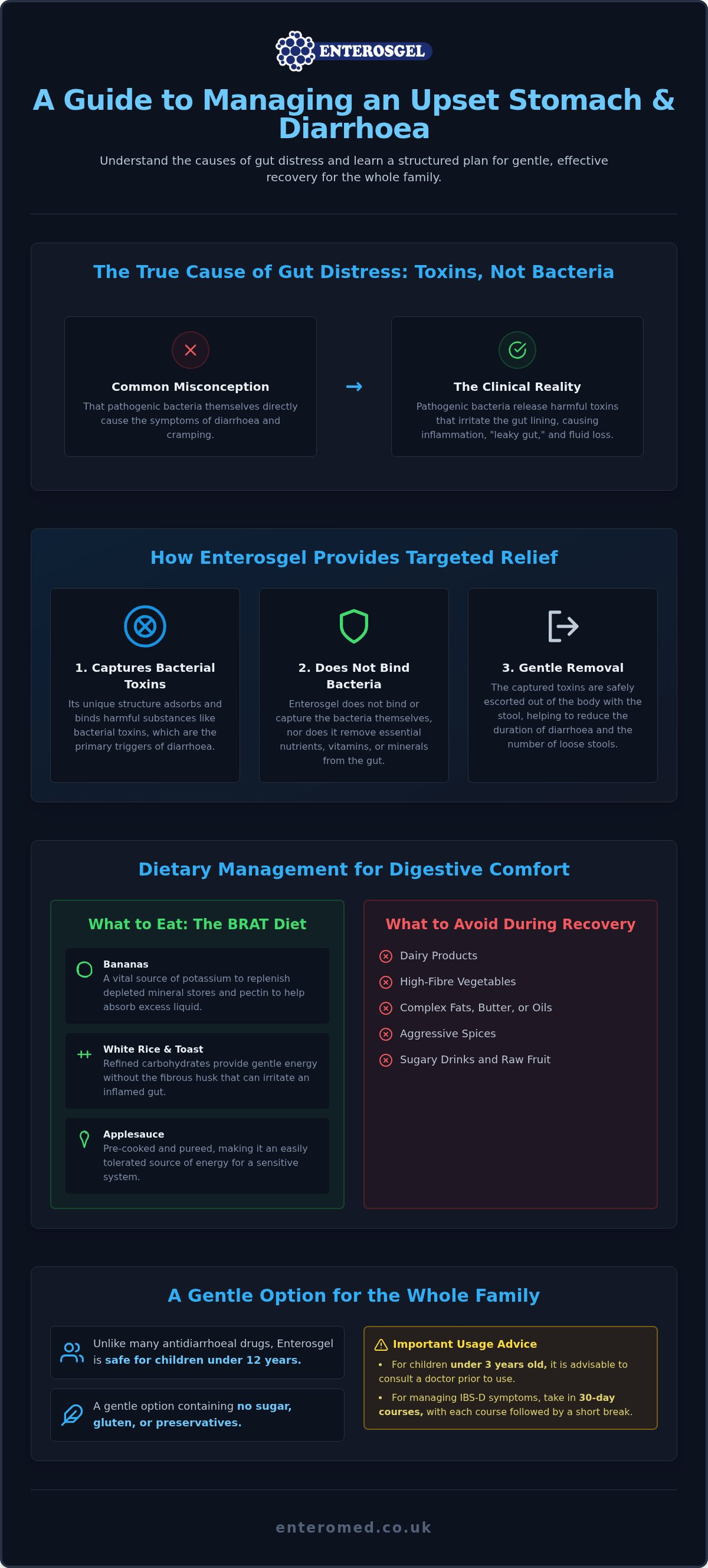
We understand that you need a solution that is both high-performance and gentle on your system. This guide explains how to settle your digestive tract by focusing on the underlying cause of your symptoms. You'll learn about the clinical benefits of using a drug-free intestinal adsorbent like Enterosgel, which works by capturing bacterial toxins from pathogenic bacteria which cause leaky gut and diarrhoea, rather than binding the bacteria themselves. This is a gentle option for the family as it contains no sugar, gluten, or preservatives, and is safe for children under 12. For children under 3 years old, it is advisable to consult a doctor prior to use. By the end of this article, you'll have a list of safe foods and a structured plan to reduce the frequency of loose stools with confidence.
Key Takeaways
- Understand the clinical mechanics of gastrointestinal distress, focusing on how bacterial toxins-rather than the bacteria themselves-trigger inflammation and "leaky gut" symptoms.
- Learn how to implement the low-residue BRAT diet whilst identifying common irritants, such as dairy and high-fibre vegetables, that can worsen abdominal cramping.
- Discover what to take for an upset stomach and diarrhoea to physically adsorb harmful toxins and safely escort them out of the digestive tract.
- Identify why drug-free intestinal adsorbents are a gentle, high-performance option for the whole family, containing no sugar, gluten, or preservatives.
- Establish a clear recovery protocol that reduces the frequency of loose stools and shortens the duration of illness for both adults and children over 12.
Understanding the Mechanics of an Upset Stomach
An upset stomach is a clinical state of gastrointestinal inflammation. This condition is often triggered by pathogens that disrupt the natural equilibrium of your digestive tract. Whilst many focus on the infection itself, the physical distress is actually a result of the body's defensive response. Knowing what to take for an upset stomach and diarrhoea begins with understanding that your system is actively attempting to flush out harmful substances. This process causes the characteristic cramping, urgency, and fluid loss that define the experience. Effective recovery requires a dual approach: soothing the gut with appropriate nutrition and physically removing the irritants causing the flare-up.
The Role of Bacterial Toxins in Gut Distress
It is a common misconception that bacteria alone cause symptoms. In reality, pathogenic bacteria release harmful toxins that serve as the primary triggers for gut distress. These toxins irritate the intestinal mucosa, which is the delicate protective lining of your gut. This irritation can lead to "leaky gut" and a significant increase in fluid secretion into the bowels. Capturing these toxins is the most direct way to reduce the duration of symptoms and the number of loose stools. By removing the chemical irritants, you allow the intestinal wall to stop its emergency flushing response and return to normal function.
Why Your Digestive System Becomes Sensitive
Inflammation fundamentally changes how your gut handles food. When the lining is sensitised, the body becomes temporarily unable to process complex fats or high-fibre materials. This leads to increased gas, bloating, and further urgency. Adopting a "rest and digest" principle is vital during acute recovery periods. This involves choosing low-residue foods that require minimal effort to break down. To facilitate this healing, many people use a gut toxin binder to protect the lining. These adsorbents act like a physical shield, capturing the toxins that cause inflammation whilst leaving essential nutrients alone. This mechanical approach provides the stability your system needs to recover without the use of harsh chemicals.
The Best Foods to Eat for Digestive Comfort
When considering what to take for an upset stomach and diarrhoea, dietary management is your first line of defence. The goal is to provide the bowel with "low-residue" fuel that requires minimal mechanical effort to process. The BRAT diet (Bananas, Rice, Applesauce, and Toast) remains the clinical standard for initial recovery. These foods are selected for their high starch and low fibre content, which helps to bind the stool without overstimulating the gut. Preparation is critical; you must avoid adding fats like butter or oils, as well as aggressive spices, which can trigger further inflammation. Whilst effective for acute symptom management, this diet is nutritionally incomplete and should only be used as a temporary bridge back to normal eating.
The BRAT Diet and Gentle Carbohydrates
- Bananas: These are a vital source of potassium. Diarrhoea depletes the body's mineral stores, and potassium is essential for maintaining cellular function. They also contain pectin, a soluble fibre that helps to absorb excess liquid in the intestines.
- White Rice and Toast: Refined carbohydrates provide immediate energy. Unlike whole grains, they lack the fibrous husk that can irritate an inflamed intestinal lining or cause excessive gas.
- Applesauce: Raw fruit contains complex fibres and sugars that may be difficult to break down. Applesauce is pre-cooked and pureed, making it a gentle source of energy that is easily tolerated by a sensitive system.
Hydration and Electrolyte Replenishment
Maintaining fluid balance is paramount. However, drinking plain water alone may be insufficient during periods of frequent loose stools because the body is losing essential salts and minerals alongside water. When determining what to take for an upset stomach and diarrhoea, remember that hydration is as critical as solid food. Clear vegetable or bone broths provide a savoury alternative that helps replace sodium. Herbal infusions, particularly ginger or peppermint tea, can offer a calming effect on the stomach lining whilst contributing to hydration. For clinical management of fluid loss, oral rehydration salts are recommended to ensure the correct balance of glucose and electrolytes is maintained. To support this dietary approach, integrating a physical adsorbent like the Enterosgel 225g Tube can help by removing the toxins that make the gut so sensitive to food in the first place.
Foods and Behaviours to Avoid During Recovery
Recovery is as much about what you exclude as what you consume. During acute episodes of gastrointestinal distress, the enzyme production in your gut is often compromised. Dairy is a primary irritant because inflammation can lead to a temporary lactase deficiency, making even small amounts of milk or cheese difficult to digest. High-fibre vegetables such as broccoli, beans, and cabbage should also be avoided. Whilst healthy in a normal state, their complex fibres ferment in a sensitive gut, leading to painful gas and bloating. When deciding what to take for an upset stomach and diarrhoea, it's vital to consider how dietary choices either support or hinder the removal of bacterial toxins.
Caffeine and alcohol are particularly problematic. Caffeine stimulates intestinal motility, which can increase the frequency of loose stools, whilst alcohol acts as a direct irritant to the stomach lining. Both contribute to dehydration, which is the most significant risk during recovery. You should also check labels for artificial sweeteners like sorbitol or xylitol. These compounds have an osmotic effect, drawing water into the bowel and acting as a natural laxative, which is the opposite of the desired outcome.
Identifying Common Gut Irritants
- Spicy foods: Capsaicin, the active component in chillies, can accelerate transit time and intensify abdominal pain by irritating the sensory nerves in the gut.
- Fried and fatty foods: High fat content requires a significant effort from the pancreas and gallbladder. In a state of inflammation, these organs may not produce enough enzymes, leading to greasy stools and nausea.
- Acidic fruits: Citrus fruits like lemons, oranges, and grapefruits contain high levels of acid that can aggravate an already inflamed gastric lining.
When to Reintroduce Normal Foods
A structured return to your normal diet prevents relapses. We recommend following the "24-hour rule," which involves waiting for a full day of normal stools before adding variety back into your meals. Begin with lean proteins, such as boiled chicken or steamed white fish, as these provide essential amino acids without the digestive burden of fats. Gradually reintroduce well-cooked vegetables before moving to raw salads or high-fibre items. To ensure your recovery remains on track during this transition, consider using the Enterosgel 225g Tube to physically adsorb the toxins that cause these sensitivities.
Accelerating Recovery with Intestinal Adsorbents
While many traditional treatments focus on slowing down the movement of the bowel, this approach can inadvertently trap harmful substances within the digestive system. Enterosgel offers a clinical alternative as a drug-free medical device that works through physical adsorption. It acts like a "clever sponge" within the gut. It specifically captures bacterial toxins from pathogenic bacteria which cause leaky gut and diarrhoea, rather than binding the bacteria themselves. By removing these triggers, it reduces the duration of diarrhoea and significantly lowers the frequency of loose stools. When you are searching for what to take for an upset stomach and diarrhoea, choosing a solution that addresses the underlying cause provides a more logical path to recovery.
How Enterosgel Supports Dietary Changes
Dietary adjustments provide a calm environment for the gut, but Enterosgel physically removes the cause of the inflammation. It is a high-performance tool that remains gentle on the system because it contains no sugar, gluten, or preservatives. This makes it an ideal partner for the low-residue diets discussed in previous sections. For those dealing with chronic symptoms or IBS-D, the product should be taken in 30-day courses, with each course followed by a short break. This structured approach helps maintain gut stability whilst allowing the intestinal lining to recover its natural protective function without the interference of harsh chemicals.
Safe Recovery for Children and Families
Protecting vulnerable groups requires a solution that is both effective and exceptionally safe. Unlike many other antidiarrhoeal drugs, Enterosgel is safe for children under 12 years. It is often used for toddler bloating and gas relief, offering a drug-free way to comfort children experiencing distress. There is a mandatory safety rule to follow: for children under 3 years old, it is advisable to consult a doctor prior to use. This ensures that the youngest patients receive professional oversight. For peace of mind, parents and carers can review the clinical research that validates its status as a reliable healthcare tool for the entire family. Using a physical adsorbent means you can manage symptoms effectively without worrying about the side effects often associated with systemic medications.
Restoring Your Digestive Balance
Managing gastrointestinal distress requires a dual strategy. You must soothe the sensitive lining with gentle carbohydrates whilst actively removing the triggers causing inflammation. By avoiding common irritants such as dairy and high-fibre vegetables, you allow the bowel the necessary time to rest. When you're determining what to take for an upset stomach and diarrhoea, a clinical approach that focuses on toxin removal is often the most effective path to recovery.
Enterosgel is a drug-free medical device that is clinically proven to reduce the duration of diarrhoea. It physically removes bacterial toxins from the gut without capturing essential nutrients. This high-performance solution is safe for children under 12 and contains no sugar, gluten, or preservatives. For children under 3 years old, it's advisable to consult a doctor prior to use. You can take the first step towards feeling better today by choosing a solution grounded in scientific rigor and empathetic care.
Buy Enterosgel 225g Tube for fast, drug-free relief. You have the tools to regain control of your digestive health and return to your normal routine with confidence.
Frequently Asked Questions
What is the fastest way to settle an upset stomach?
The fastest way to settle an upset stomach is to combine digestive rest with the physical removal of the irritants causing inflammation. You should immediately adopt a low-residue diet, such as the BRAT protocol, and use an intestinal adsorbent. This clinical approach helps you decide what to take for an upset stomach and diarrhoea by addressing the root cause. It physically captures bacterial toxins from pathogenic bacteria, which reduces the duration of symptoms and the frequency of loose stools.
Can I give Enterosgel to my baby or toddler?
Yes, Enterosgel is a gentle and safe option for children because it contains no sugar, gluten, or preservatives. Unlike many other antidiarrhoeal drugs, it is safe for children under 12 years. However, for children under 3 years old, it is advisable to consult a doctor prior to use. It works by capturing bacterial toxins that cause leaky gut and diarrhoea; this helps your child recover without the use of harsh chemical ingredients or systemic medications.
How long should I follow the BRAT diet?
You should follow the BRAT diet only as a temporary bridge back to normal nutrition, typically for 24 to 48 hours after symptoms begin to subside. Whilst these foods are easy to digest, they lack the essential proteins and vitamins required for long-term health. Once you have experienced 24 hours of normal bowel movements, you can gradually reintroduce lean proteins. This methodical transition ensures your digestive system isn't overwhelmed as it recovers its natural processing capacity.
Is it better to stop diarrhoea or let it run its course?
It is better to remove the cause of the diarrhoea rather than simply slowing down the gut's movement. Traditional medicines that "stop" the bowel can trap harmful toxins inside the body. A more clinical approach involves using an adsorbent to capture bacterial toxins from pathogenic bacteria. This helps to reduce the number of loose stools and the overall duration of the illness whilst allowing the body to clear the irritants safely and naturally without systemic side effects.
Why does Enterosgel work differently from other diarrhoea medicines?
Enterosgel works differently because it is a drug-free medical device that uses physical adsorption rather than chemical intervention. Most medicines either slow down gut motility or attempt to kill bacteria. In contrast, Enterosgel acts like a clever sponge that captures bacterial toxins from pathogenic bacteria without binding the bacteria themselves or essential nutrients. This targeted action addresses the specific triggers of inflammation, making it a high-performance solution when searching for what to take for an upset stomach and diarrhoea.
How should I take Enterosgel for IBS-D symptoms?
For the management of IBS-D symptoms, Enterosgel should be taken in 30-day courses. Each course must be followed by a short break to allow your system to maintain its natural equilibrium. This structured usage pattern helps to manage chronic symptoms like urgency, bloating, and abdominal pain by consistently removing the toxins that irritate the gut lining. It provides a reliable and gentle way to protect your digestive health over the long term without the use of preservatives.
Share this article