

Managing an IBS Diarrhoea Flare-up: A Buying Guide to Effective Relief
Managing an IBS diarrhoea flare up often feels like a desperate race against time, yet the standard approach of simply slowing down your gut may be missing the underlying cause. True relief isn't just about stopping movement; it's about removing the specific irritants that trigger the distress in the first place. You're likely familiar with the exhausting reality of sudden bowel urgency and the sharp, painful abdominal cramping that makes leaving the house feel like a significant risk. It's a distressing cycle that impacts both your physical comfort and your confidence.
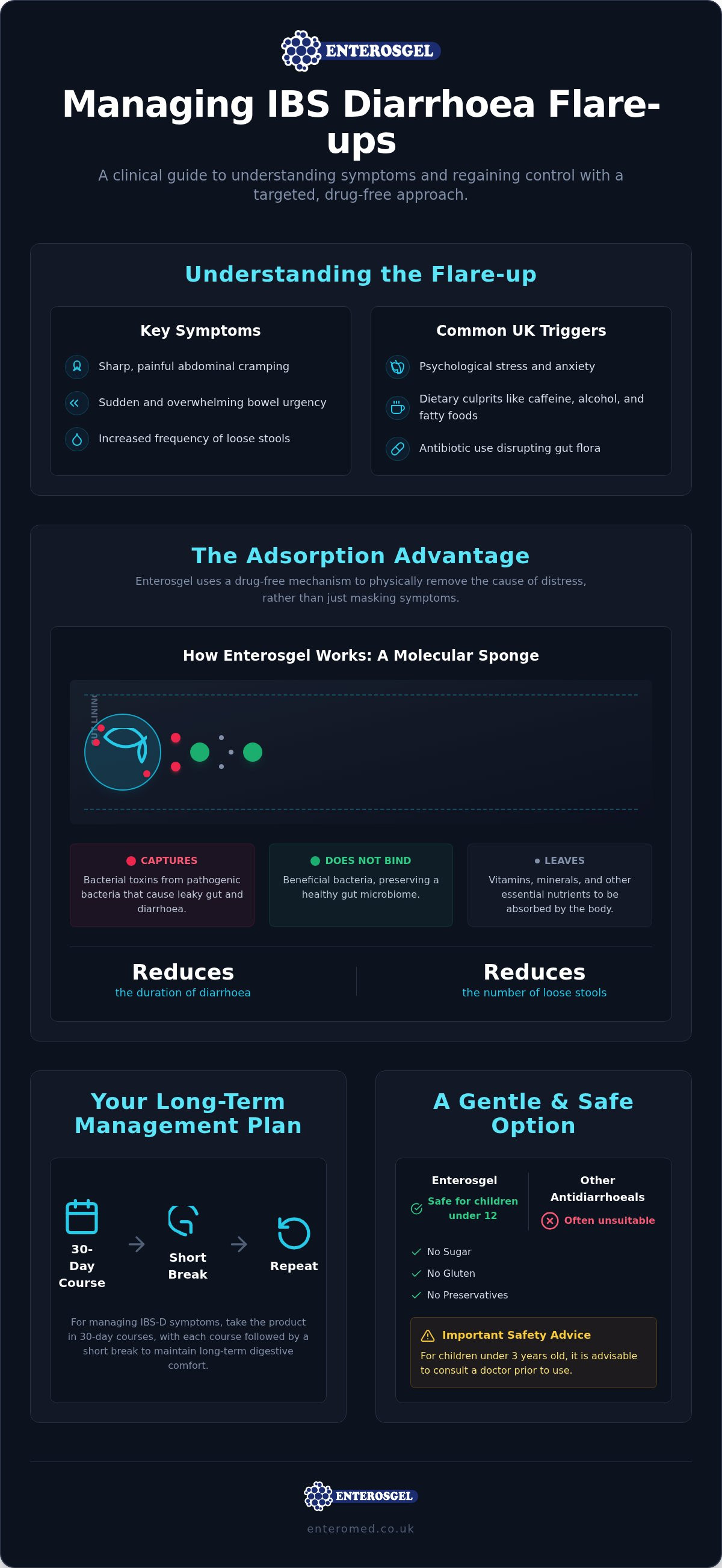
This guide will help you choose a clinical solution designed to reduce the frequency of loose stools by capturing the bacterial toxins that cause leaky gut and inflammation. You'll learn how to identify common triggers and implement a reliable management plan to reduce the duration of your symptoms. We'll examine why physical adsorbents like Enterosgel are a gentle, drug-free option for adults and children, and how a structured 30-day course followed by a short break can help you regain long-term control over your digestive health.
Key Takeaways
- Identify common UK triggers like stress and caffeine to better manage the onset of an IBS diarrhoea flare up.
- Understand how adsorption physically traps bacterial toxins to reduce the duration and frequency of loose stools without the use of harsh drugs.
- Choose between the 225g Tube for home use and portable Sachets to ensure you have a clinical solution available whenever urgency strikes.
- Implement a reliable management plan using 30-day treatment courses followed by a short break to maintain long-term digestive comfort.
- Utilise a gentle, preservative-free option that is safe for children under 12, unlike other antidiarrhoeal drugs, ensuring you consult a doctor for any child under 3 years old.
Understanding the IBS Diarrhoea Flare-up: Triggers and Symptoms
An IBS diarrhoea flare up is more than a minor digestive upset; it's a period of significantly intensified symptoms that can disrupt your professional and social life. For many in the UK, this manifests as a sudden, overwhelming bowel urgency, painful abdominal cramping, and a marked increase in the frequency of loose stools. While the baseline symptoms of Irritable Bowel Syndrome might be manageable, a flare-up represents a breakdown in intestinal stability, often requiring a more targeted clinical approach to regain control.
Managing these episodes effectively starts with understanding the underlying physiological changes. When the gut is under stress, the delicate balance of the intestinal environment shifts, leading to increased sensitivity and rapid transit times. For a deeper dive into long-term strategies, exploring Irritable Bowel Syndrome Relief UK can provide a necessary foundation for your management plan.
The Role of Bacterial Toxins in Flare-ups
Pathogenic bacteria in the digestive tract release harmful toxins that irritate the intestinal lining, contributing to a condition often termed "leaky gut." This irritation causes the bowel to secrete excess water in an attempt to flush out the irritants, which results in diarrhoea. It's vital to understand that effective relief comes from capturing these bacterial toxins rather than the bacteria themselves. By removing these specific triggers, you can reduce the duration of the flare-up and the number of loose stools. To manage chronic symptoms, clinical solutions should be taken in 30-day courses, with each course followed by a short break to ensure the gut is supported correctly.
Common Triggers Amongst UK Sufferers
Identifying what causes your system to react is essential for preventing future episodes. In the UK, several lifestyle and environmental factors frequently exacerbate symptoms:
- Dietary Culprits: Alcohol, caffeine, and fatty foods are known to speed up bowel contractions and irritate the gut lining.
- Psychological Stress: Anxiety regarding work deadlines or the fear of urgency whilst travelling can trigger the gut-brain axis, leading to immediate distress.
- Antibiotic Impact: Regular use of antibiotics can disrupt the natural flora, allowing toxin-producing bacteria to thrive and cause inflammation.
By monitoring these factors, you can create a reliable management plan that addresses both the symptoms and the triggers of your condition.
The Adsorption Advantage: A Drug-Free Approach to Relief
Traditional treatments for an IBS diarrhoea flare up often focus on slowing down gut motility. While this might stop the immediate urgency, it can inadvertently trap harmful irritants inside the bowel for longer. A more clinical approach involves the use of intestinal adsorbents. These are physical medical devices that work on the surface of the gut lining. Unlike systemic drugs, these adsorbents are not absorbed into the bloodstream; they pass through the digestive tract, performing their function before being naturally excreted.
This method represents a significant shift in management. Instead of masking the body's response, you're physically removing the cause of the distress. For a comprehensive look at how these mechanisms compare, you can read our guide on Gut Toxin Binders.
Capturing Toxins, Not Bacteria
It's a common misconception that all gut treatments aim to eliminate bacteria. Enterosgel is specifically designed to capture bacterial toxins from pathogenic bacteria rather than the bacteria themselves. It functions like a "molecular sponge" with a porous structure. This specific porosity allows it to select and bind only harmful toxins and medium-sized molecules that cause leaky gut and inflammation. Because it doesn't bind to the beneficial bacteria essential for digestion, it helps maintain a healthy microbiome. This is particularly important for those managing chronic symptoms through 30-day courses followed by a short break.
Reducing Diarrhoea Duration and Frequency
The primary goal during an IBS diarrhoea flare up is to restore stability as quickly as possible. By physically removing irritants, the intestinal lining has the opportunity to heal. This process directly leads to a reduction in the number of loose stools and shortens the overall duration of the episode. Beyond frequency, users often experience significant relief from the secondary symptoms that make flare-ups so debilitating:
- Reduced abdominal pain and cramping.
- Decreased bloating and gas production.
- A faster return to normal bowel habits.
Because the gel is drug-free and contains no sugar, gluten, or preservatives, it's a gentle option for the whole family. It's safe for children under 12 years, though we advise consulting a doctor for any child under 3. You can explore the full range of clinical relief options to find the right fit for your household.
Buying Guide: Choosing the Right Enterosgel Format
Selecting the correct format for an IBS diarrhoea flare up depends on your lifestyle and the frequency of your symptoms. Whether you require a permanent fixture in your medicine cabinet or a discrete solution for the office, the IBS Diarrhoea relief collection provides targeted options. For new users, the IBS Starter Pack, which combines both the 225g Tube and a pack of Sachets, offers the most comprehensive introduction to toxin-binding therapy.
Enterosgel 225g Tube: The Household Essential
The 225g Tube represents the best clinical value for long-term management. It's designed for those implementing a structured 30-day course at home to manage chronic symptoms. Dosing is straightforward; simply squeeze the required amount into a glass of water or take it directly from a spoon. To maintain the gel's efficacy, store the tube in a cool, dry place, ensuring it remains at the centre of your daily health routine. Its long shelf life makes it a reliable standby for a future IBS diarrhoea flare up.
Enterosgel Sachets: Relief Whilst on the Go
Bowel urgency doesn't wait for a convenient time. The Pack of 10 Sachets is engineered for portability, fitting easily into a laptop bag or pocket. These pre-measured, 15g doses provide discrete relief during a commute or a social event. For those planning trips abroad, these sachets are a vital component of Traveller’s Diarrhoea Prevention. They ensure you can manage symptoms without the bulk of a full tube, allowing you to react quickly to the first sign of distress.
Enterosgel Kids 0+: Gentle Protection for Children
Finding safe treatments for younger family members is often challenging. Enterosgel Kids 0+ is a gentle option because it contains no sugar, gluten, or preservatives. Crucially, unlike some other antidiarrhoeal drugs, it's safe for children under 12 years. For children under 3 years old, it's advisable to consult a doctor prior to use. This format provides the same toxin-capturing benefits as the adult version, reducing the number of loose stools whilst remaining kind to sensitive systems.
Explore the full range of clinical IBS solutions to find the format that best fits your daily routine.
Implementing Your IBS-D Management Plan
Successfully managing an IBS diarrhoea flare up requires a structured approach that goes beyond reactive treatment. A reliable plan combines the use of a physical medical device with supportive lifestyle habits. By following a consistent clinical protocol, you can effectively reduce the duration of symptoms and the frequency of loose stools, allowing your gut the time it needs to recover from inflammation.
The 30-Day Course Protocol
Consistency is vital when addressing chronic IBS-D. For optimal results, Enterosgel should be taken in 30-day courses, with each course followed by a short break. This methodical cycle ensures the gut is regularly cleared of the bacterial toxins that cause leaky gut and urgency. To follow the protocol correctly, take the gel 1-2 hours before or after eating a meal. If you take other oral medications, ensure a gap of at least 2 hours to avoid any interaction. Adhering to these duration-of-use instructions is essential for settling long-term digestive distress. You can find more detail on the clinical trials supporting this approach on our Research page.
When to Seek Further Medical Advice
Whilst Enterosgel is a clinically proven solution, it's important to monitor your symptoms closely. If your condition does not improve after the treatment period, or if symptoms worsen, you should consult your GP. There are specific red flag symptoms that require immediate medical investigation:
- Unexplained or rapid weight loss.
- The presence of blood in your stools.
- Persistent nocturnal diarrhoea that wakes you from sleep.
- A high fever accompanying your digestive symptoms.
This management plan is also appropriate for families. Unlike other antidiarrhoeal drugs, Enterosgel is safe for children under 12 years. It is a gentle option because it contains no sugar, gluten, or preservatives. However, for children under 3 years old, it is advisable to consult a doctor prior to use. Combining this clinical support with high hydration and a gentle diet will help you regain control over your digestive health during an IBS diarrhoea flare up.
Restoring Stability to Your Digestive Health
Managing an IBS diarrhoea flare up effectively requires a shift from masking symptoms to physically removing the underlying irritants. By choosing a drug-free intestinal adsorbent, you can capture the bacterial toxins that cause inflammation and leaky gut without disrupting your beneficial gut flora. This clinical approach is proven to reduce both the duration of episodes and the number of loose stools, providing a reliable path back to comfort and confidence.
Whether you opt for the 225g tube for home use or portable sachets for work, consistency remains the key to long-term success. Remember to follow the recommended 30-day course protocol and allow for short breaks to support your body's natural recovery. This gentle, preservative-free solution is safe for the entire family, including children under 12; however, we always recommend consulting a doctor for infants under 3 years old. Take the first step towards a more predictable daily routine today.
Browse the Enterosgel IBS Diarrhoea Collection
Frequently Asked Questions
How long does an IBS diarrhoea flare-up usually last?
An IBS diarrhoea flare up typically lasts between a few days and several weeks, depending on the severity of your triggers. Using a clinical intestinal adsorbent can help manage these episodes by capturing bacterial toxins that irritate the gut lining. This physical process is proven to reduce both the duration of the flare-up and the frequency of loose stools, helping your digestive system return to its baseline state more quickly while alleviating pain and urgency.
Is Enterosgel safe for children under the age of 12?
Yes, Enterosgel is safe for children under the age of 12, which distinguishes it from many other common antidiarrhoeal drugs. It provides a gentle option for younger patients because it contains no sugar, gluten, or preservatives. The gel works physically within the gut to capture harmful toxins without being absorbed into the bloodstream. However, for any child under 3 years old, it is advisable to consult a doctor prior to use to ensure appropriate management.
Can I take Enterosgel every day for my IBS symptoms?
For the management of chronic IBS-D symptoms, the product should be taken in 30-day courses. Each course must be followed by a short break before starting the next cycle. This structured approach helps maintain intestinal stability by consistently removing the bacterial toxins that cause leaky gut and inflammation. Consistency is key during these periods to settle the digestive tract and reduce the likelihood of a sudden IBS diarrhoea flare up disrupting your daily routine.
Should I consult a doctor before giving Enterosgel to my baby?
You must consult a healthcare professional before administering the gel to an infant. While the product is a safe, drug-free medical device that is not absorbed by the body, the official instructions for use state that for children under 3 years old, it is advisable to consult a doctor prior to use. This ensures that the underlying cause of the child's symptoms is correctly identified and that the treatment plan is suitable for their specific needs.
Does Enterosgel contain any sugar, gluten, or preservatives?
No, this medical device is entirely free from sugar, gluten, and preservatives. This clean formulation makes it an inclusive choice for individuals with specific dietary requirements or sensitivities. Because it lacks these common additives and harsh chemicals, it's considered a gentle and safe option for both adults and children. Its physical mechanism of action relies solely on its porous structure to capture bacterial toxins rather than using chemical stimulants to alter gut motility.
What is the difference between adsorption and absorption in gut health?
Adsorption is a physical process where harmful substances, such as bacterial toxins, are trapped on the surface of a material. Enterosgel acts like a molecular sponge, using its porous structure to bind toxins without being absorbed into the body itself. In contrast, absorption involves a substance being taken up into the bloodstream or tissues. By using adsorption, the gel remains in the digestive tract and is excreted naturally along with the captured irritants it has bound.
Share this article